

AI news and updates.Sources included. Noise removed.
Current AI, software and technology developments selected for practical relevance. Every published news story includes its source and source date.
Latest technology news
Browse every news item published by AI Craft Pad, newest first. Search the archive or move through the pages below.

Gemini 4 Argon is now available for developers.
Latest technology update reported by Google Technology. Read the verified source for full context.
Read news →
GitHub App improvements for least privilege and management
We’re releasing several GitHub Apps improvements today that help developers move off of classic PATs, improve GitHub App management, and request fewer sensitive permissions. We’ve also made it easier for… The post GitHub App improvements for least privilege
Read news →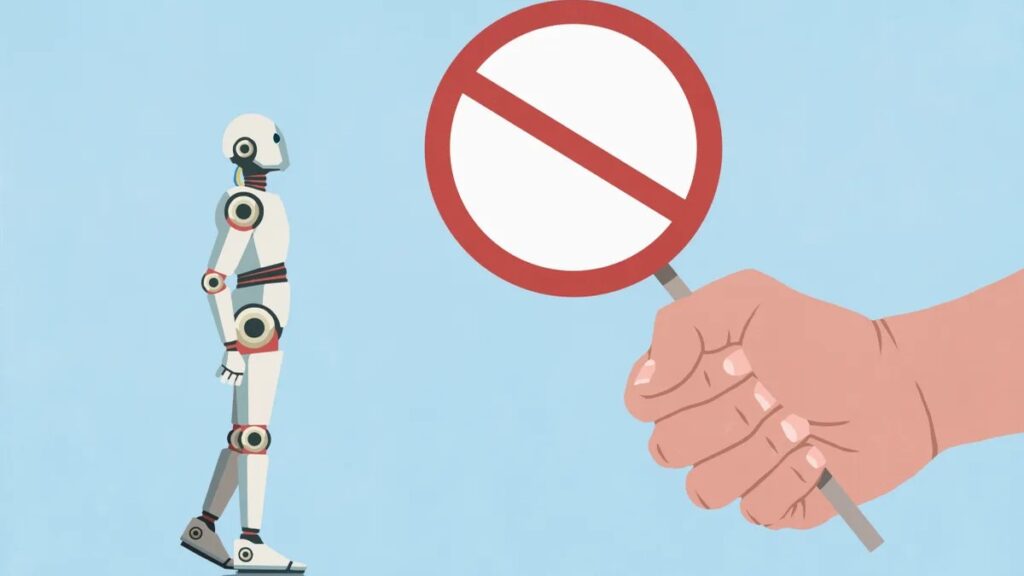
Laplace Intelligence red-teams robots and self-driving cars before they hit the real world
University of Michigan spinout Laplace Intelligence uses AI agents and interactive simulation to stress-test robots and self-driving vehicles before deployment. The profitable startup is competing in Startup Battlefield at TechCrunch Disrupt, October 13-15 in
Read news →
Windows 11 KB5127648 & KB5126653 cumulative updates released
Microsoft has released the Patch Tuesday Windows 11 KB5127648 and KB5126653 cumulative updates for versions 26H2/25H2/24H2 and 23H2 to fix security vulnerabilities and bugs, and add new features.
Read news →
OpenAI employee arrested for allegedly planting a bug in a conference room
An OpenAI engineer was arrested after the company said it discovered a "sophisticated recording device" hidden in one of its offices. The employee was identified as Abdulrahman Alfozan, a 35-year-old Saudi national. Alfozan is charged with using or
Read news →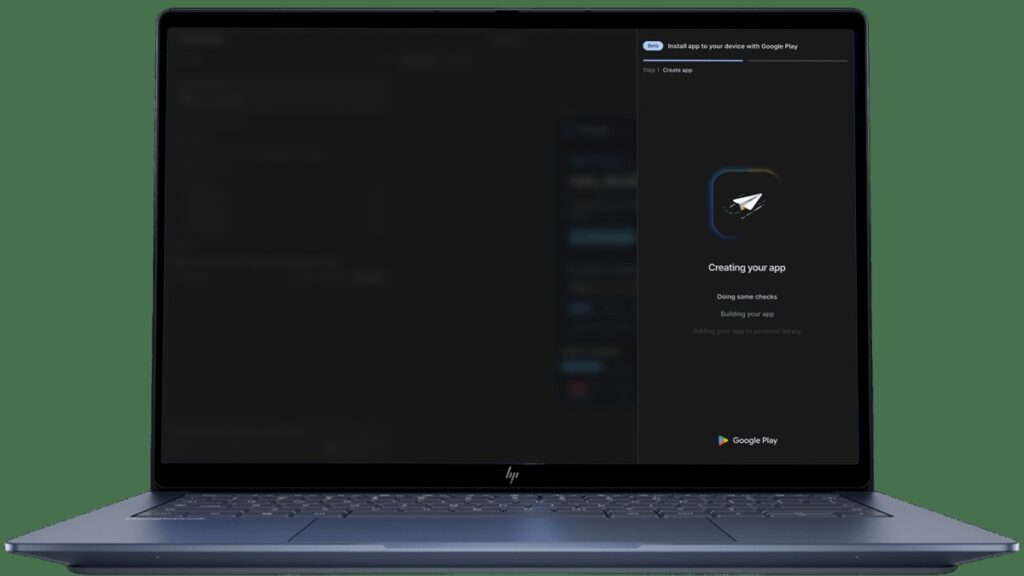
Google Play now lets anyone build private, vibe-coded apps that run on Android
Google is making it easier to build and use personal Android apps created with AI, without having to make them available to everyone on the Play
Read news →AI news and updates: find the practical context
AI news and updates can move quickly, but the useful question is what a change means for the work you do. Browse the stories above for product releases, research, safety developments, and changes to widely used tools. Each story should be read with its publication date and original source in mind. A headline is a starting point, not enough evidence for a decision.
When a company announces a new model or feature, check who can use it, where it is available, and whether it is still a preview. Look for limits on usage, data handling, and pricing in the provider’s documentation. A capability shown in a demo may work differently with your own inputs. If a story discusses an early research result, distinguish a measured result from a general promise about future products.
How to assess a news item
Open the source linked in the article and note when the event actually happened. Compare that date with the publication date. Identify the direct claim, the evidence offered, and what remains uncertain. If the story could change how you work, run a small test or ask the provider for current documentation before changing a production process. This is especially important for security, privacy, and automated decisions.
AI news and updates also benefit from context. A new interface may save time for a specific task while adding review work elsewhere. An open model release may matter to a developer but not to a reader who only needs a reliable writing workflow. We aim to explain relevance in plain language so you can decide which stories deserve attention.
Turn news into an informed next step
For a tool update, list the feature you might try and the current problem it could solve. For a policy or platform change, check the official terms and affected users. For a research claim, inspect the paper or primary announcement and consider the test conditions. Keep a note of what would need to be verified before you rely on the development.
The tools directory helps you compare applications for a specific job. The guides explain methods you can practice, while articles add background and examples. Use the workflows when a change suggests a repeatable process. AI news and updates should help you choose a practical next step, not create pressure to adopt every release.
For claims involving AI risk and governance, consult primary material such as the NIST AI Risk Management Framework alongside the specific announcement. We update our understanding as products evolve, so always verify a dated item against current provider information. Keep the source, event date, and remaining questions together if you share a story with a colleague.
Finally, separate what is available today from what is planned. A beta invitation, a research preview, and a generally available product create different expectations. If a development affects your project, check compatibility, access, costs, and the work needed for a safe trial. That short assessment turns a stream of headlines into information you can use. Revisit the official announcement when a detail matters to your work, because eligibility and product limits can change after a report is published. If the original claim has been corrected, record the correction alongside the older story. A clear trail is more useful than a remembered headline.