

AI news and updates.Sources included. Noise removed.
Current AI, software and technology developments selected for practical relevance. Every published news story includes its source and source date.
Latest technology news
Browse every news item published by AI Craft Pad, newest first. Search the archive or move through the pages below.

Bluesky wants to make it easier to buy, sell, and fundraise on the network
The executives argued that advertising isn’t the only path to monetization, and that there are alternative models that are feasible when it comes to
Read news →
Workday wants a slice of customers’ labour budget that its AI agents could replace
CEO eyes usage-based billing as automation pushes HR software vendor beyond traditional IT
Read news →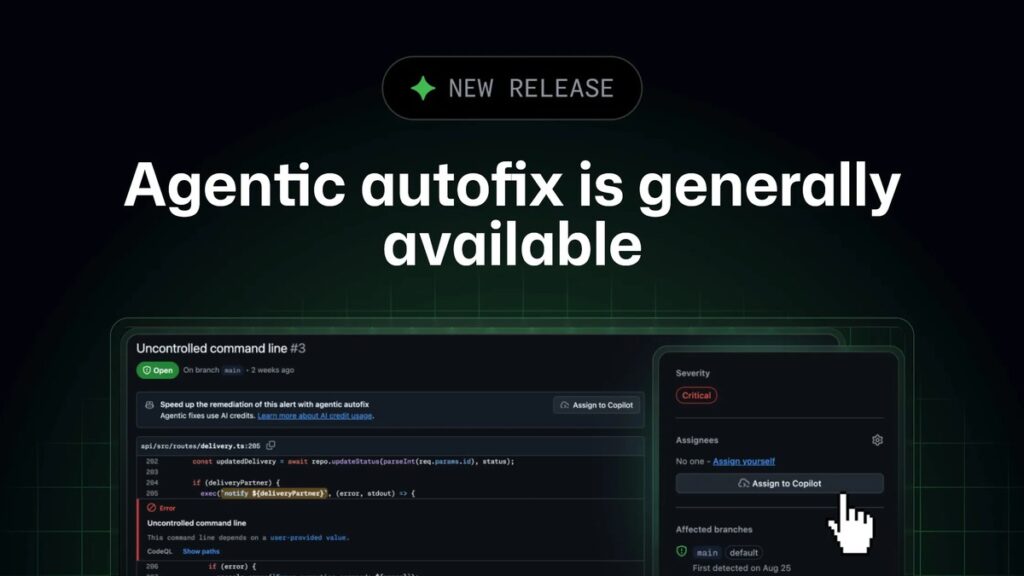
Agentic autofix for code scanning alerts general availability
Agentic autofix for code scanning alerts is now generally available. It remediates alerts by working across your codebase the way a developer would: it explores relevant files, proposes a fix,… The post Agentic autofix for code scanning alerts general
Read news →
Multi-repo support and other improvements for GitHub Copilot in Slack and Microsoft Teams
Multi-repo support in Slack and Microsoft Teams GitHub Copilot in Slack and Microsoft Teams now supports working across multiple repositories in a single conversation. Whether you’re tracking pull requests, investigating… The post Multi-repo support and other
Read news →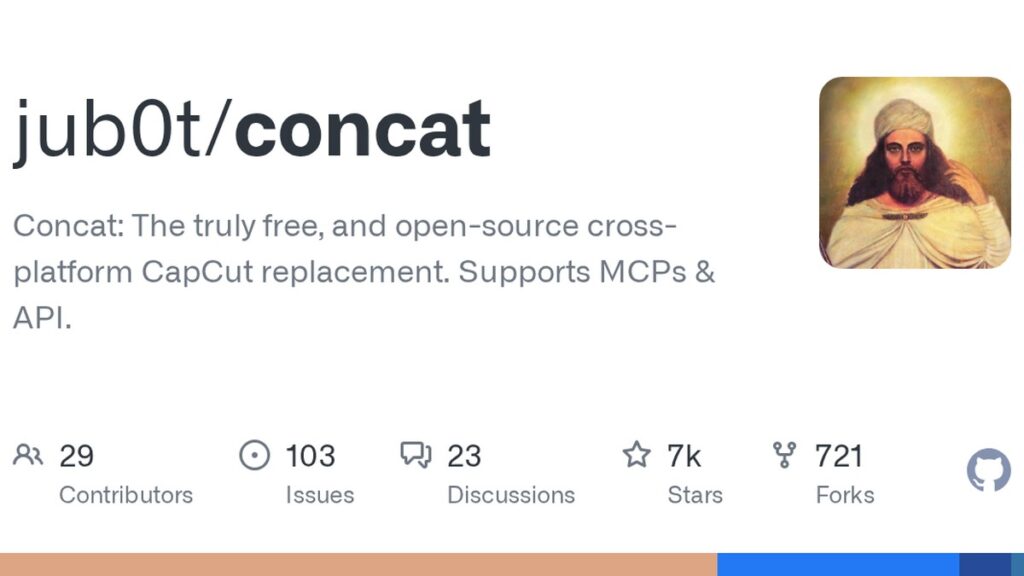
CapCut has been TRAMPLED again – the must-have video editing service Concat has been
CapCut has been TRAMPLED again - the must-have video editing service Concat has been released. With it, you can create top videos without registration, without subscriptions and annoying hassles. • Can do EVERYTHING: auto-subtitles, text voice-over, voice
Read news →
Upcoming deprecation of selected GitHub Copilot models in mid-November
We will deprecate the following models across all GitHub Copilot experiences (including Copilot Chat, inline edits, ask and agent modes, and code completions) on November 16th, 2026: Model Deprecation date… The post Upcoming deprecation of selected GitHub
Read news →AI news and updates: find the practical context
AI news and updates can move quickly, but the useful question is what a change means for the work you do. Browse the stories above for product releases, research, safety developments, and changes to widely used tools. Each story should be read with its publication date and original source in mind. A headline is a starting point, not enough evidence for a decision.
When a company announces a new model or feature, check who can use it, where it is available, and whether it is still a preview. Look for limits on usage, data handling, and pricing in the provider’s documentation. A capability shown in a demo may work differently with your own inputs. If a story discusses an early research result, distinguish a measured result from a general promise about future products.
How to assess a news item
Open the source linked in the article and note when the event actually happened. Compare that date with the publication date. Identify the direct claim, the evidence offered, and what remains uncertain. If the story could change how you work, run a small test or ask the provider for current documentation before changing a production process. This is especially important for security, privacy, and automated decisions.
AI news and updates also benefit from context. A new interface may save time for a specific task while adding review work elsewhere. An open model release may matter to a developer but not to a reader who only needs a reliable writing workflow. We aim to explain relevance in plain language so you can decide which stories deserve attention.
Turn news into an informed next step
For a tool update, list the feature you might try and the current problem it could solve. For a policy or platform change, check the official terms and affected users. For a research claim, inspect the paper or primary announcement and consider the test conditions. Keep a note of what would need to be verified before you rely on the development.
The tools directory helps you compare applications for a specific job. The guides explain methods you can practice, while articles add background and examples. Use the workflows when a change suggests a repeatable process. AI news and updates should help you choose a practical next step, not create pressure to adopt every release.
For claims involving AI risk and governance, consult primary material such as the NIST AI Risk Management Framework alongside the specific announcement. We update our understanding as products evolve, so always verify a dated item against current provider information. Keep the source, event date, and remaining questions together if you share a story with a colleague.
Finally, separate what is available today from what is planned. A beta invitation, a research preview, and a generally available product create different expectations. If a development affects your project, check compatibility, access, costs, and the work needed for a safe trial. That short assessment turns a stream of headlines into information you can use. Revisit the official announcement when a detail matters to your work, because eligibility and product limits can change after a report is published. If the original claim has been corrected, record the correction alongside the older story. A clear trail is more useful than a remembered headline.