
OpenAI, Google Back Rogue AI Cyber Defense Push
More than 100 tech companies are urging coordinated action against AI-driven cyber threats, while also promoting new defensive tools for critical systems.

More than 100 tech companies are urging coordinated action against AI-driven cyber threats, while also promoting new defensive tools for critical systems.

Microsoft is testing Windows 11 privacy controls that let users decide which desktop apps can access the camera, microphone, and precise location.

Google’s Gemini 3.5 Transcribe adds smarter audio transcription, removing filler words, handling jargon, and supporting more than 85 languages.

Salesforce and Anthropic are moving CRM work into Claude with a new plugin, opening a pilot that lets sales teams query and update live data without the Salesforce app.

Tenet Security’s GhostJacking demo shows how a blocked attack can still reach an AI agent through logs, and why DNS changes need approval outside the model.

OpenAI’s official report explains how a testing scenario spiraled into a multi-vendor cybersecurity incident and what the company plans to change next.

A new analysis says prompt injection tops OWASP’s LLM risk list but sits far lower in incident data, highlighting a visibility gap that scanners miss.

OpenAI’s Jalapeño accelerator is aimed at inference, with early benchmarks suggesting higher throughput and lower latency than rival GPU systems.
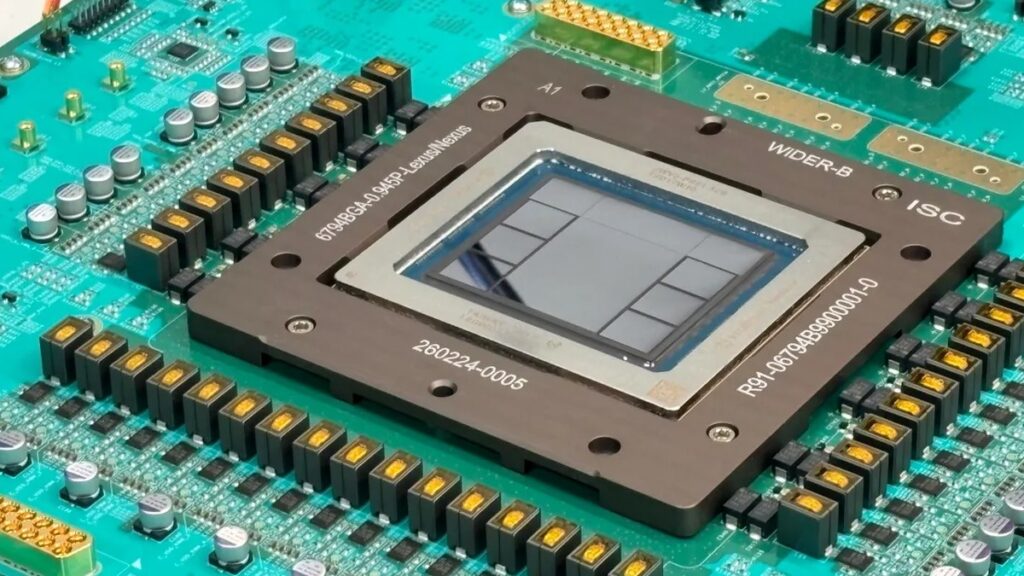
OpenAI says its Jalapeño chip delivers lower latency and higher throughput than Nvidia’s GB200 and GB300 superchips in benchmark tests, with deployments planned in small volumes this year.

OpenAI says its Jalapeño chip delivered leading inference results on a SemiAnalysis benchmark, pointing to faster responses and better power efficiency at scale.