

AI guides for real work. From idea to result.
Practical walkthroughs designed to help you understand AI workflows, use tools with confidence and turn complicated tasks into clear steps.
Browse AI articlesAll guides
Browse every practical step-by-step guide. New guides will appear here automatically as they are published.

How to Create a Believable Impossible Building Illustration
Follow clear steps for impossible building illustration, from scene structure and lighting to final image checks.
Read guide →
How to Build a Mushroom Village Diorama Prompt
Follow clear steps for mushroom village diorama prompt, from scene structure and lighting to final image checks.
Read guide →
How to Prompt Stained-Glass Lighting in AI Art
Follow clear steps for stained-glass lighting, from scene structure and lighting to final image checks.
Read guide →
How to Design a Floating Carnival Scene
Follow clear steps for floating carnival scene, from scene structure and lighting to final image checks.
Read guide →
How to Create a Fantasy Tidepool Image
Follow clear steps for fantasy tidepool image, from scene structure and lighting to final image checks.
Read guide →
How to Build a Cozy Storybook Scene With AI
Follow clear steps for cozy storybook scene, from scene structure and lighting to final image checks.
Read guide →AI guides for real work: learn a method you can repeat
AI guides for real work should leave you with a method, not just a list of buttons to click. Choose a guide above by the result you need, then read its required inputs and final checks before starting. This makes it easier to decide whether the method fits your task and whether you have the information to complete it.
Begin with a small example. If you are building a research brief, gather the source documents and record their dates. If you are preparing content, define the audience, format, and facts that must stay accurate. If you are setting up an automated process, identify where a person will review or approve an output. Clear starting material improves the result more than a longer instruction alone.
Follow the steps, then inspect the result
Work through one stage at a time and save the inputs that produced each output. Compare the result with your original brief. Check factual details against the source, inspect cited passages, and look for missing exceptions. When the guide recommends a tool, verify its current interface and terms with the provider. Product features can change after an article is published.
AI guides for real work are meant to be adapted. A guide for one team may need different language, review time, or privacy controls in another. Use the described sequence as a framework, then change the example material and evaluation criteria to match your project. Keep a record of the changes so the process can be repeated or corrected later.
Choose the right kind of resource
For a ready-to-edit instruction, start with the prompt library. For an explanation of a topic and its tradeoffs, browse articles. For a linked sequence of actions, inspect the workflow collection. These resources work together: a guide can explain the method, a prompt can structure one step, and a workflow can connect the steps into a useful routine.
Before sharing a result, ask whether someone else could reproduce the same process from your notes. If the answer is no, write down the missing input, setting, or decision. For higher-stakes use, review the relevant risks and safeguards; the NIST AI Risk Management Framework offers a broader reference. AI guides for real work are strongest when they make each assumption visible and leave room for human judgment.

Clear steps instead of vague advice.
Each guide is designed to help you understand what to do, why it matters and how to adapt the process to your own work.
Understand it. Use it. Make it yours.
AI Craft Pad guides are built to turn AI concepts into practical actions you can actually apply.
Popular practical paths
Use the next resource that matches where you are in the task.
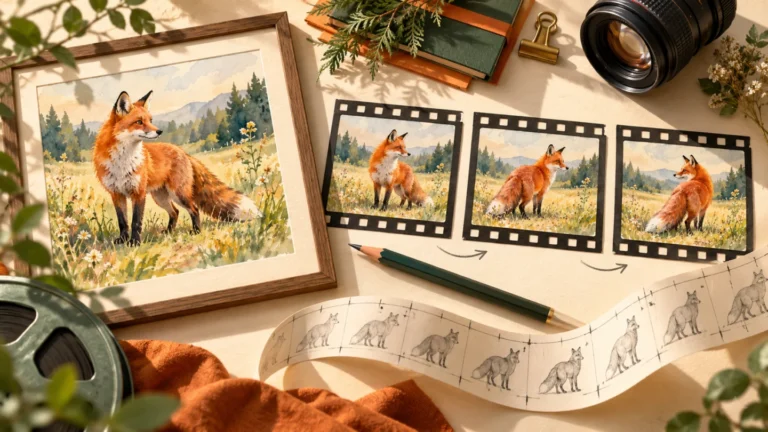 Complete AI Image-to-Video Prompting Guide →
 AI Video Emotion Prompting Guide →
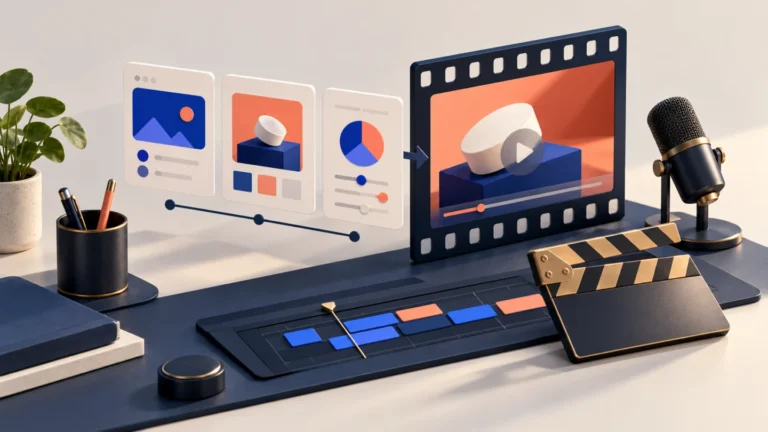 AI Product Promo Video Guide →