

Electric Vehicle Concept Design Brief With AI
Electric vehicle concept design for original electric vehicle concept projects. Five adaptable examples with production checks and practical next steps.
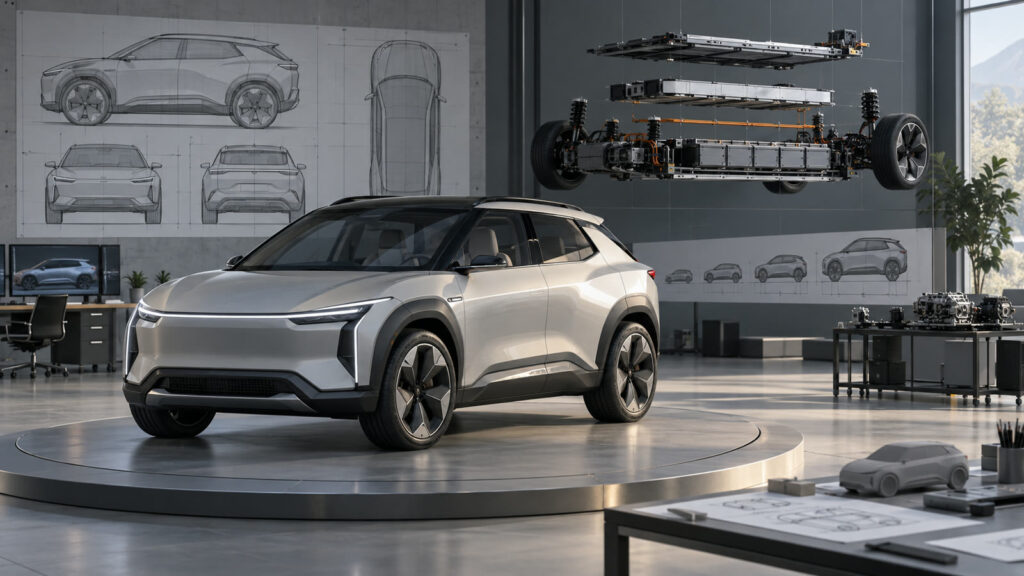
Electric vehicle concept design can turn a broad idea into a useful visual brief when the audience, output size, and success criteria are explicit. An electric vehicle brief should connect the visual concept to a plausible use case. These prompts cover a commuter, family vehicle, last-mile delivery, accessible shuttle and cabin interface. The goal is better early-stage questions and coherent visuals, not unsupported claims about range or safety.
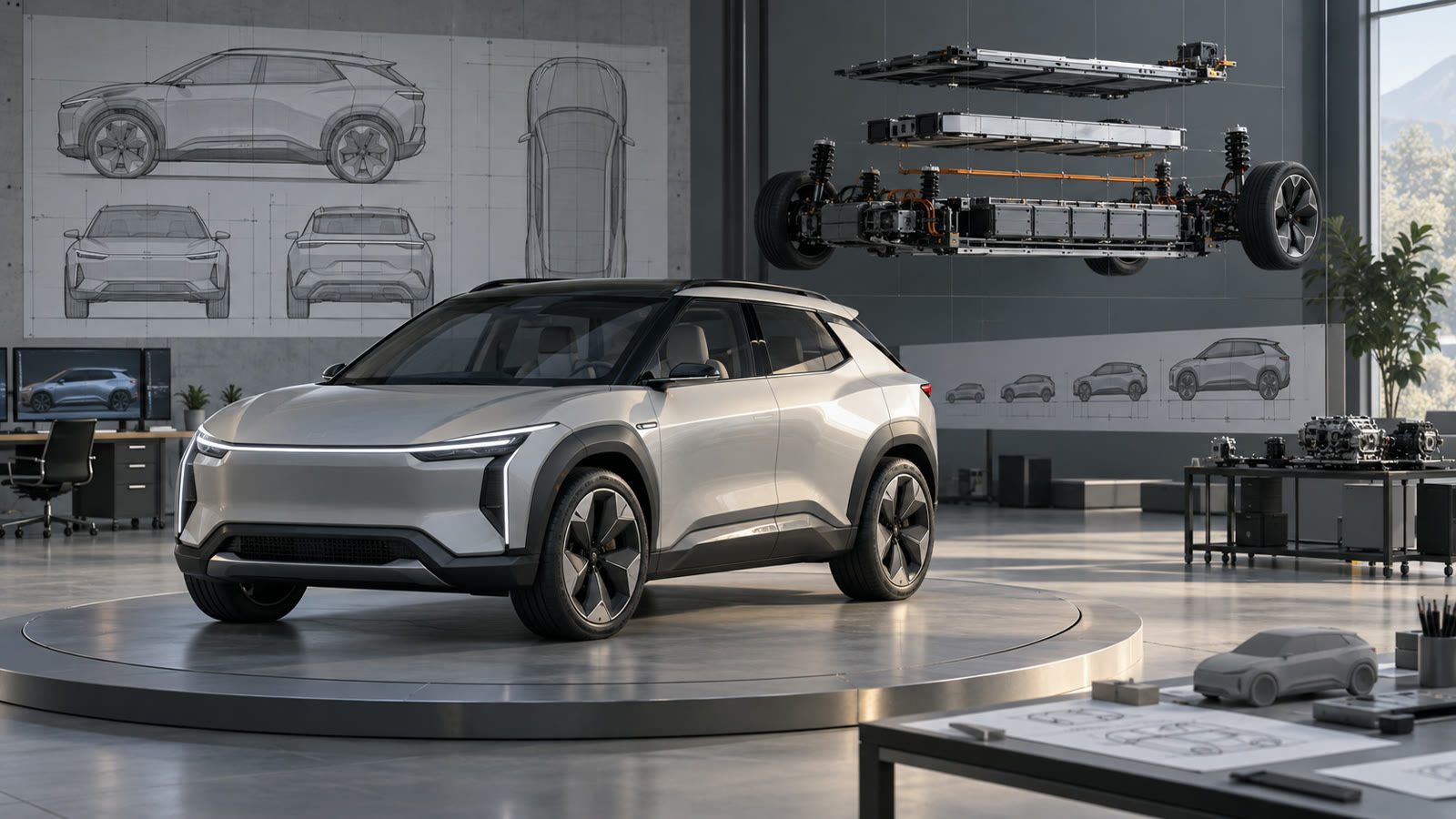
Build a clear electric vehicle concept brief
State passenger and cargo needs, charging context, speed environment, packaging assumptions and target experience. Keep numerical targets as user-supplied placeholders unless backed by engineering data. Ask for a side package view, three-quarter exterior and interior layout that agree. Separate features that are desirable from those already validated.
Before generating, decide where the result will appear. Specify the aspect ratio, how much space should remain for edited text, the intended audience, and any brand or personal details that must stay consistent. Keep typography outside the generated image when exact spelling matters. Save the source prompt and compare several outputs at the final viewing size.
Five Electric vehicle concept design to adapt
1. Commuter hatchback
Create an original electric commuter hatchback for two adults and occasional rear passengers. Prioritize easy parking, visible roof height, useful rear hatch and practical wheel size. Show the battery-floor package only schematically, with coherent seat height and door cut lines. Render side and three-quarter views in the same design language. No logo, invented range or charging speed.
2. Family weekend vehicle
Explore an electric family vehicle for five occupants and weekend equipment. Show child-seat access, luggage volume intent, clear window lines and realistic entry height. Include exterior and cabin concept boards with matching proportions, plain materials and a calm interface. Flag package dimensions as provisional and avoid safety certification claims.
3. Last-mile delivery pod
Design an electric local delivery concept with one driver and configurable cargo shelves. Focus on curb access, loading ergonomics, exterior visibility and low-speed urban context. Produce orthographic side and rear views plus an interior cargo sketch. Use unbranded neutral colors. Do not state payload or duty-cycle numbers unless provided in the brief.
4. Accessible neighborhood shuttle
Plan an electric community shuttle concept for short trips. Describe wide access, flexible seating and space reserved for mobility aids. Show both exterior entry and interior circulation. Treat ramp and restraint design as subjects for specialist review rather than asserting compliance. Original friendly form, realistic tire positions and consistent cabin scale.
5. Simple driver interface
Create a restrained EV dashboard concept with clear speed information, climate controls reachable without deep menus and a logical charging-status area. Show day and night display states without tiny generated text. Keep glare low and physical sight lines plausible. This is a concept study, not a validated human-factors assessment.
How to refine Electric vehicle concept design
Use the generated visuals to run a design review with the package team. Mark conflicts between styling and functional needs: windshield angle, seat height, battery floor, step-in and cargo opening. Revise the brief before making more polished renders. Preserve a traceable list of assumptions and unresolved tradeoffs.
For a second pass, change one variable at a time: lighting, camera angle, color range, character gesture, or layout. This makes comparisons meaningful. If the image will support an offer, add the real copy and logo in a layout editor after the visual is approved. Never let a model invent product claims, prices, dates, or customer testimonials.
Quality and publishing checklist
Check that the image does not imply impossible wheel travel, unusable doors or an unrealistically thin cabin. Have engineers validate safety, range, charging and compliance claims before any public statement. When publishing concept art, distinguish the visual direction from technical performance.
Inspect the output at the dimensions used on the final page or device. Look for inconsistent anatomy, repeated objects, broken perspective, unreadable small details, and a focal point hidden by the crop. Write descriptive alt text for informative web images; the W3C image tutorial offers a useful decision guide. Explore the prompt catalog and more practical articles for related workflows.
Frequently asked questions
Should I include target range in the prompt?
Only if it is a stated design target, and label it as unverified until engineering analysis supports it.
What is the first visual to generate?
A clear package or side view usually reveals more issues than a dramatic beauty shot.