

Practical AI articles. Clear, practical and relevant.
Guides, comparisons, ideas and practical insights designed to help you understand AI without getting lost in hype or unnecessary complexity.
Learn what matters
Practical reading for people who want to use AI better, understand new tools and make smarter decisions.
AI Tools
Understand what different AI tools do and where they are actually useful.
Prompting
Learn how to communicate with AI more clearly and get better outputs.
Productivity
Use AI to save time, simplify workflows and reduce repetitive work.
Trends & Ideas
Follow important developments without getting buried in AI news noise.
All articles
Browse every practical AI Craft Pad article, newest first. Use the page navigation below to explore the complete archive.
How to Build a Human Review Step Into AI-Assisted Work
Learn how to design a useful human review step for AI-assisted workflows by matching the review depth to risk, defining evidence, and making failure visible and reversible.
Read article →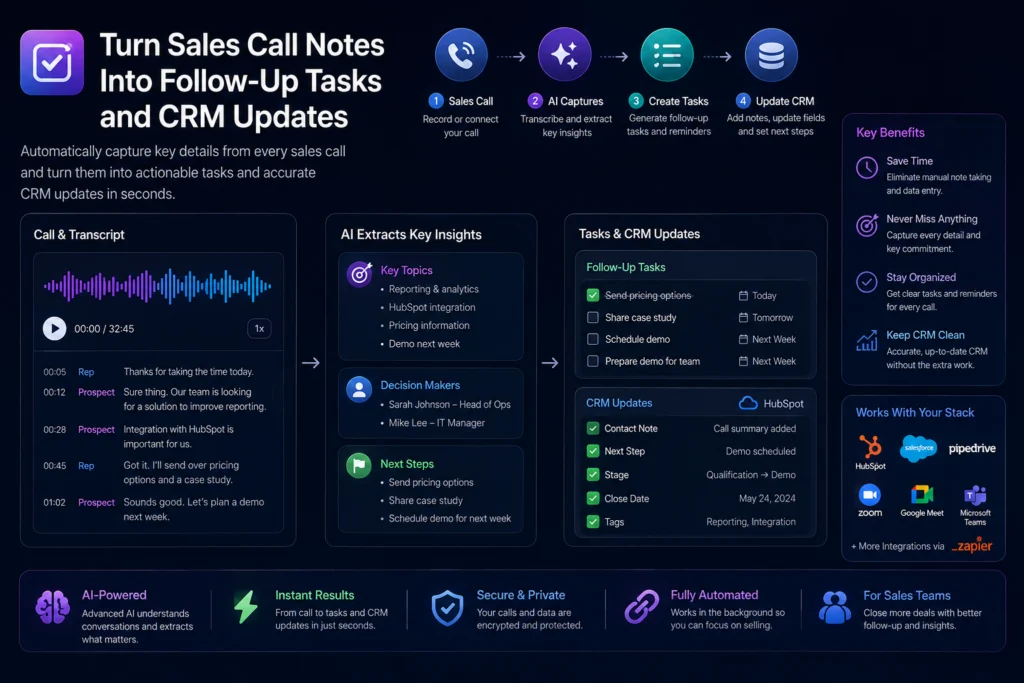
When to Use AI for Research—and When Not To
Quick answer: AI is excellent at organizing source material, comparing consistent fields, summarizing long documents, extracting patterns, and generating…
Read article →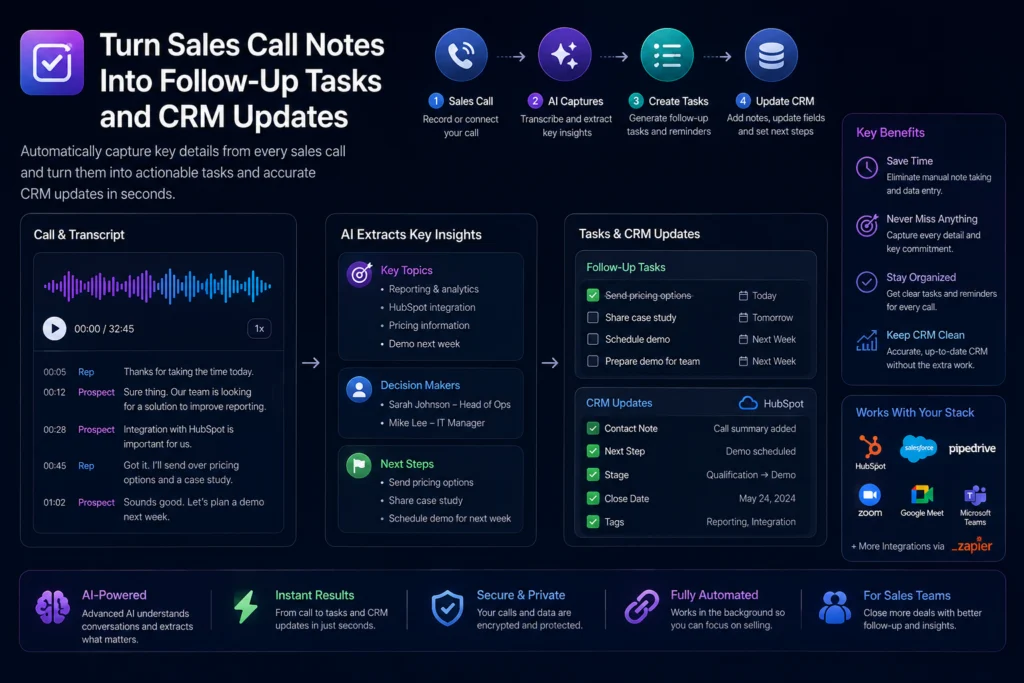
10 Common Prompting Mistakes That Make AI Outputs Worse
Ten practical prompting mistakes that reduce AI output quality—from vague goals and missing source material to hidden assumptions, overloaded requests, and no verification step.
Read article →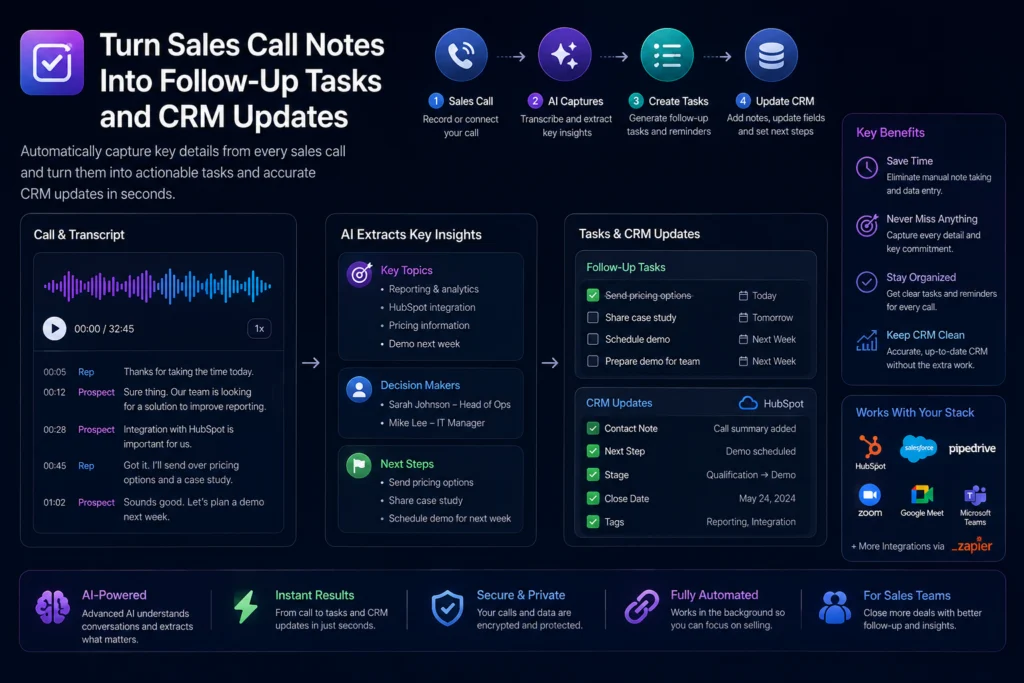
How to Choose the Right AI Tool for a Task: A Practical Framework
A practical framework for choosing an AI tool based on the task, source material, risk, workflow fit, verification needs, integrations, and total friction—not hype.
Read article →
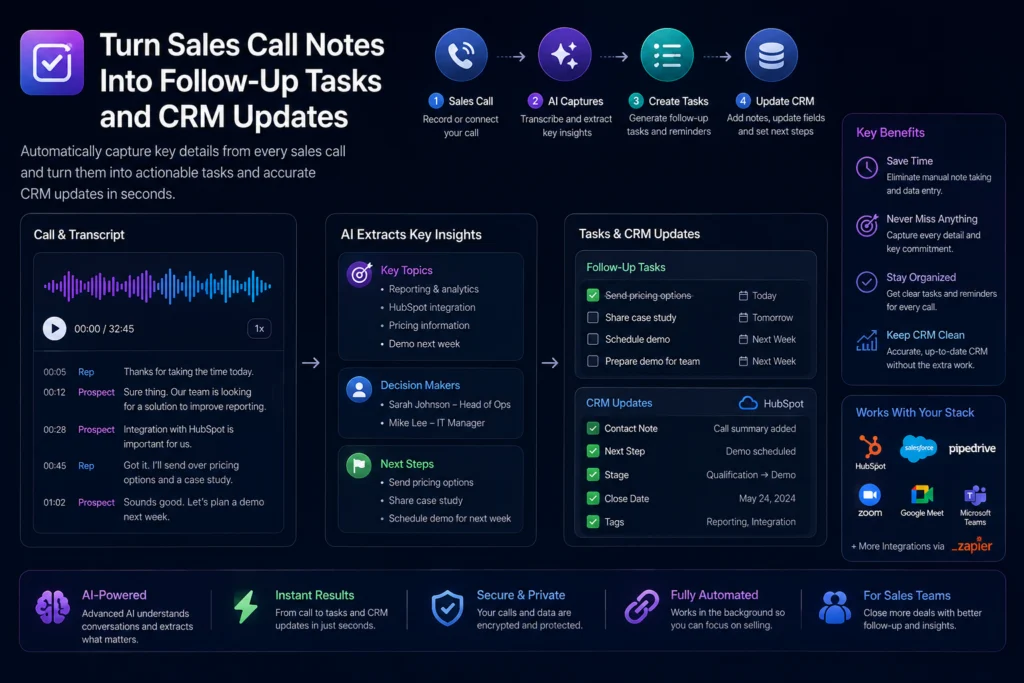
How to Use AI to Turn a Sales Call Recording Into a Clean CRM Update, Follow-Up Email, and Deal Risk Summary
Turn a sales call recording into a clean CRM update, a tailored follow-up email, and a clear deal risk summary without drowning in manual notes.
Read article →
How to Use AI to Turn Customer Support Tickets Into a Reusable FAQ and Help Center Draft
Learn how to turn customer support tickets into a reusable FAQ and help center draft with a practical workflow for grouping, drafting, and verifying answers.
Read article →Useful information over AI noise.
The goal is simple: publish content worth reading, not content created just to increase the article count.
Learn something you can actually use.
AI Craft Pad is built to turn AI information into practical knowledge you can apply.
Practical AI articles: how to use this library
Browse practical AI articles by topic, compare examples, and choose one small idea to test.
Practical AI articles on AI Craft Pad are written for a specific decision or task. Start with the problem you want to solve, then choose an article that shows the inputs, a workable process, and the checks needed before using an AI result. A useful article should help you decide what to do next, not simply repeat an announcement or list tools without context.
For research work, look for the source and date behind every important claim. For writing, compare the draft with your audience, brief, and original material. For automation, check where information enters a workflow, what the model is allowed to change, and who reviews the result. These questions make the advice easier to adapt to your own project.
Choose an article by outcome
If you need a reusable instruction, browse the AI prompt library. If you need a sequence of actions with a clear deliverable, explore the workflow collection. The step-by-step guides are useful when you want to learn a method before applying it. Articles provide the explanation around those resources: why an approach works, when it is useful, and what limitations to watch for.
Begin with the latest articles above, or use a subject that matches your current work. When two approaches look similar, compare the required inputs, review time, and final output. The fastest method is not always the best one if it makes important assumptions or hides uncertainty. Keep your original sources close while you test a recommendation.
Turn reading into a small test
Pick one practical idea from an article and try it on a low-risk example. Write down your starting material, the instruction or settings you used, and the result you expected. Review the output for accuracy, completeness, tone, and missing context. If it helps, save the version that worked and note what still required human judgment.
AI products and interfaces change over time. Treat screenshots, menu labels, and model-specific behavior as a starting point and verify them in the product you use today. For consequential decisions, use the article to organize your work, then check primary sources and involve the appropriate expert. Our goal is to make AI easier to use thoughtfully in everyday work. The practical AI articles in this archive are starting points for that process.
Practical AI articles also help you set a review standard before you start. Decide which details must be correct, which creative choices are flexible, and what evidence would change your mind. Record important assumptions instead of hiding them in a polished draft. When a tool summarizes a document, inspect the cited passage; when it suggests a plan, check whether the timeline and dependencies fit your situation. This small amount of preparation makes each experiment more useful and makes errors easier to find. For a broader framework on evaluating AI risks, see the NIST AI Risk Management Framework.

 Best Free Image-to-Video Tools: Choose by Hardware and Limits →
 How to Animate a Still Image With Character Consistency →
 25 Emotion Directions for AI Video →
 How to Compress AI Video for TikTok, YouTube and the Web →
 AI Motion Graphics With Remotion: From Brief to Render →
 HY-World 2.0: From an Image to a 3D World →
 Biniou on a 4 GB Windows GPU: Two Real Video Tests →
 Best No-Signup AI Tools That Work in Your Browser →
 How to Choose Safe Codex Subagents →
 How to Audit an Agent Skill Before Installing It →
 Free AI Tools vs Free Trials: Know the Boundary Before You Start →