

AI Car Design Prompts That Respect Real Packaging
AI car design prompts for original automotive concept projects. Five adaptable examples with production checks and practical next steps.
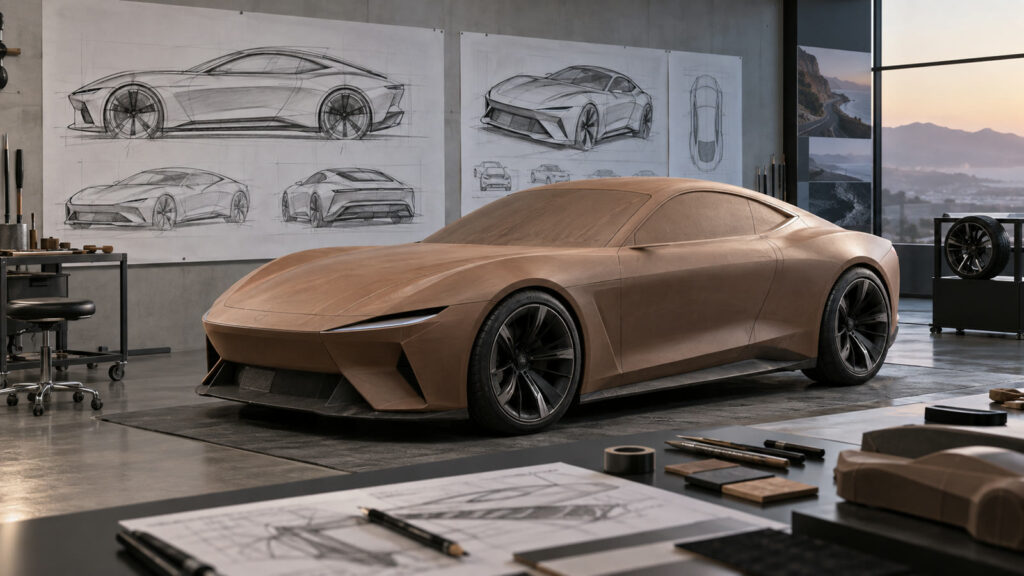
AI car design prompts can turn a broad idea into a useful visual brief when the audience, output size, and success criteria are explicit. A vehicle concept becomes more useful when the prompt describes occupants, purpose and engineering limits before surface styling. These examples explore a city car, family crossover, delivery van, sports coupe and interior. Each can guide an early visual discussion without pretending to validate manufacturability.
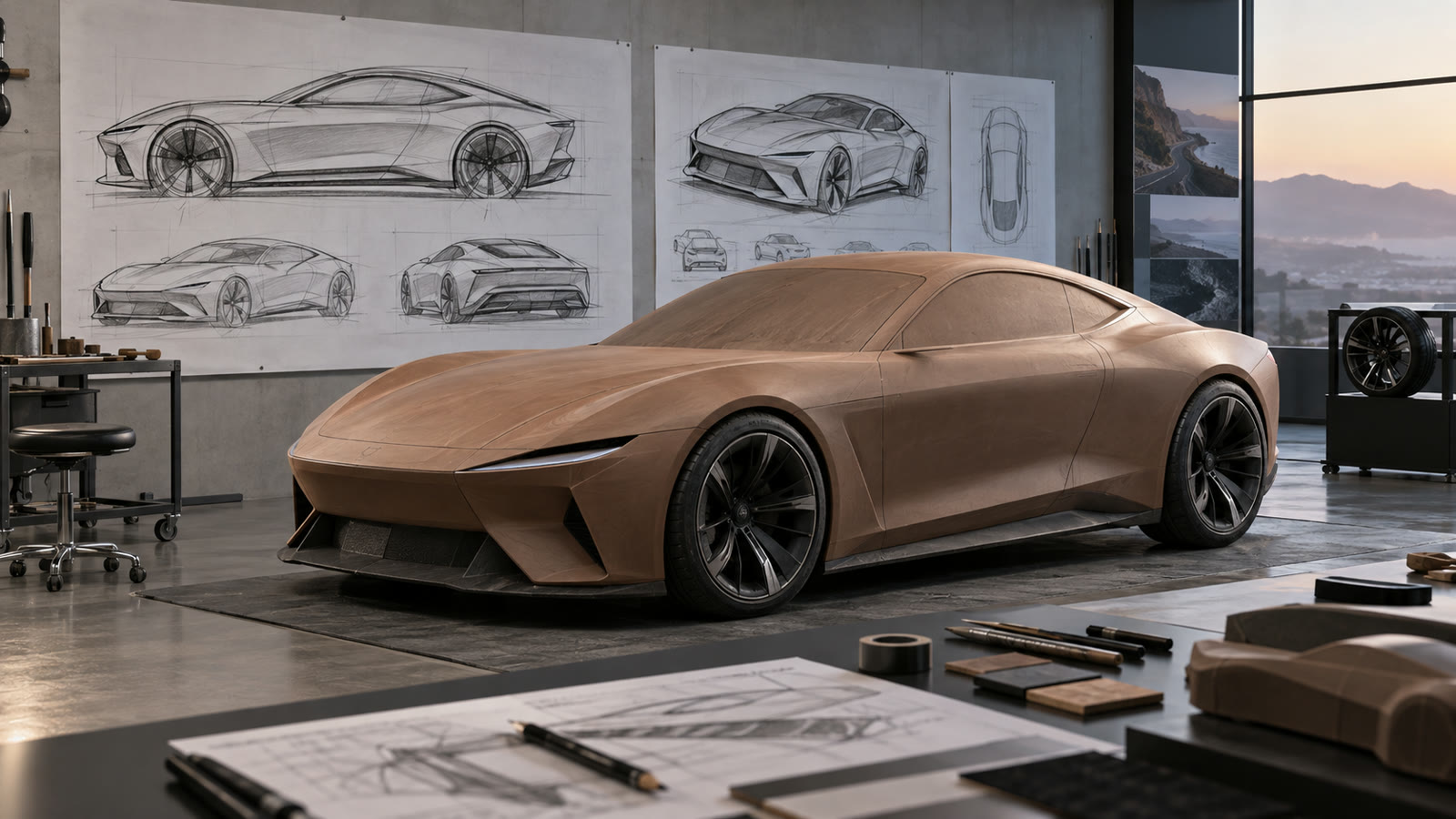
Build a clear automotive concept brief
Define the vehicle class, passenger count, use case, target proportions, wheelbase range, luggage need, visibility and safety assumptions. Ask for orthographic side and front views before a dramatic three-quarter render. Request coherent doors, seats, wheel positions and ground clearance. A concept image is a discussion aid, not a certified engineering drawing.
Before generating, decide where the result will appear. Specify the aspect ratio, how much space should remain for edited text, the intended audience, and any brand or personal details that must stay consistent. Keep typography outside the generated image when exact spelling matters. Save the source prompt and compare several outputs at the final viewing size.
Five AI car design prompts to adapt
1. Compact urban EV
Design an original two-seat electric city car for narrow urban streets. Show a believable short wheelbase, upright seating, compact battery floor, usable door openings and room for a small grocery load. Produce side, front and three-quarter views with consistent proportions. Calm modern surfaces, no brand badges, no text, realistic tire and lamp placement.
2. Family crossover concept
Create a five-seat electric crossover concept for school runs and weekend luggage. Prioritize rear door access, child-seat space, sensible beltline height and outward visibility. Show a measured side profile beside a restrained three-quarter studio view. Keep wheel size, roof height and cabin package coherent across views. Original design language, no copied grille or logo.
3. Accessible shuttle
Sketch an original low-speed community shuttle concept with easy step-in access, wide sliding door and visible wheelchair-space planning. Show interior circulation and exterior side elevation at consistent scale. Avoid claiming regulatory compliance; mark uncertain clearances for engineering review. Friendly but practical form, believable wheel placement, no signage or brand marks.
4. Electric delivery van
Create an original compact electric delivery van for short local routes. Emphasize box efficiency, driver sight lines, low loading height and cargo access. Present side view, rear-door view and a simple top-down package diagram with consistent dimensions. Neutral commercial styling, no company livery, no invented range figure or payload claim.
5. Sports coupe interior
Develop an original electric sports coupe interior around two occupants and a low dashboard. Show realistic steering wheel reach, sight lines, seat thickness, footwell and storage for personal items. Material palette of recycled textile and matte metal, controlled ambient lighting. Produce an interior perspective plus a labeled-free plan view; avoid impossible floating controls and brand-specific cues.
How to refine AI car design prompts
Compare every attractive render against a package checklist. Do the wheels, doors, roof and occupant positions agree across views? If not, restate the constraints and regenerate orthographic views before refining lights or surfacing. Keep separate notes for feasible requirements, speculative ideas and items needing an engineer.
For a second pass, change one variable at a time: lighting, camera angle, color range, character gesture, or layout. This makes comparisons meaningful. If the image will support an offer, add the real copy and logo in a layout editor after the visual is approved. Never let a model invent product claims, prices, dates, or customer testimonials.
Quality and publishing checklist
Do not present generated dimensions, crash performance, autonomy or efficiency as validated. Review ingress, sight lines, tire clearance and interior space with qualified designers. For a portfolio, label the work as a concept and show the brief and iteration path, not just a glossy exterior render.
Inspect the output at the dimensions used on the final page or device. Look for inconsistent anatomy, repeated objects, broken perspective, unreadable small details, and a focal point hidden by the crop. Write descriptive alt text for informative web images; the W3C image tutorial offers a useful decision guide. Explore the prompt catalog and more practical articles for related workflows.
Frequently asked questions
Can AI design a production-ready car?
It can support early ideation, but production decisions require engineering, testing and regulatory work.
Why ask for several views?
Multiple views expose inconsistent proportions and make the concept more useful for discussion.