

Why Impossible Architecture Needs Familiar Anchors
Explore impossible architecture through one original image, concrete design decisions and a practical review method.
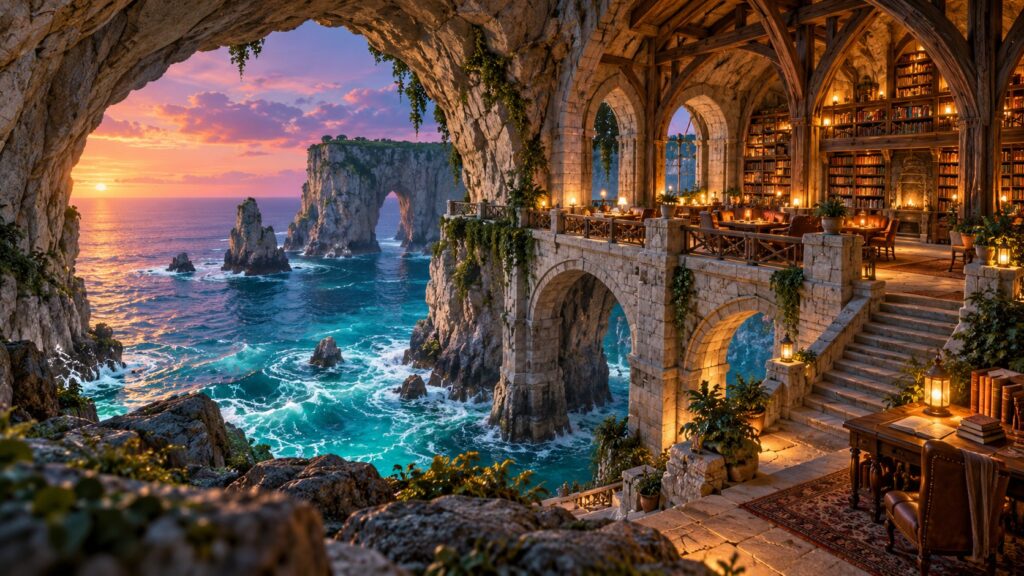
Impossible architecture is easier to understand when we look beyond style names and describe what the viewer can actually read. A floating or living building can look like a pile of unrelated objects when scale and gravity are unspecified. This article uses one original scene as a concrete example and identifies the decisions that keep it coherent.
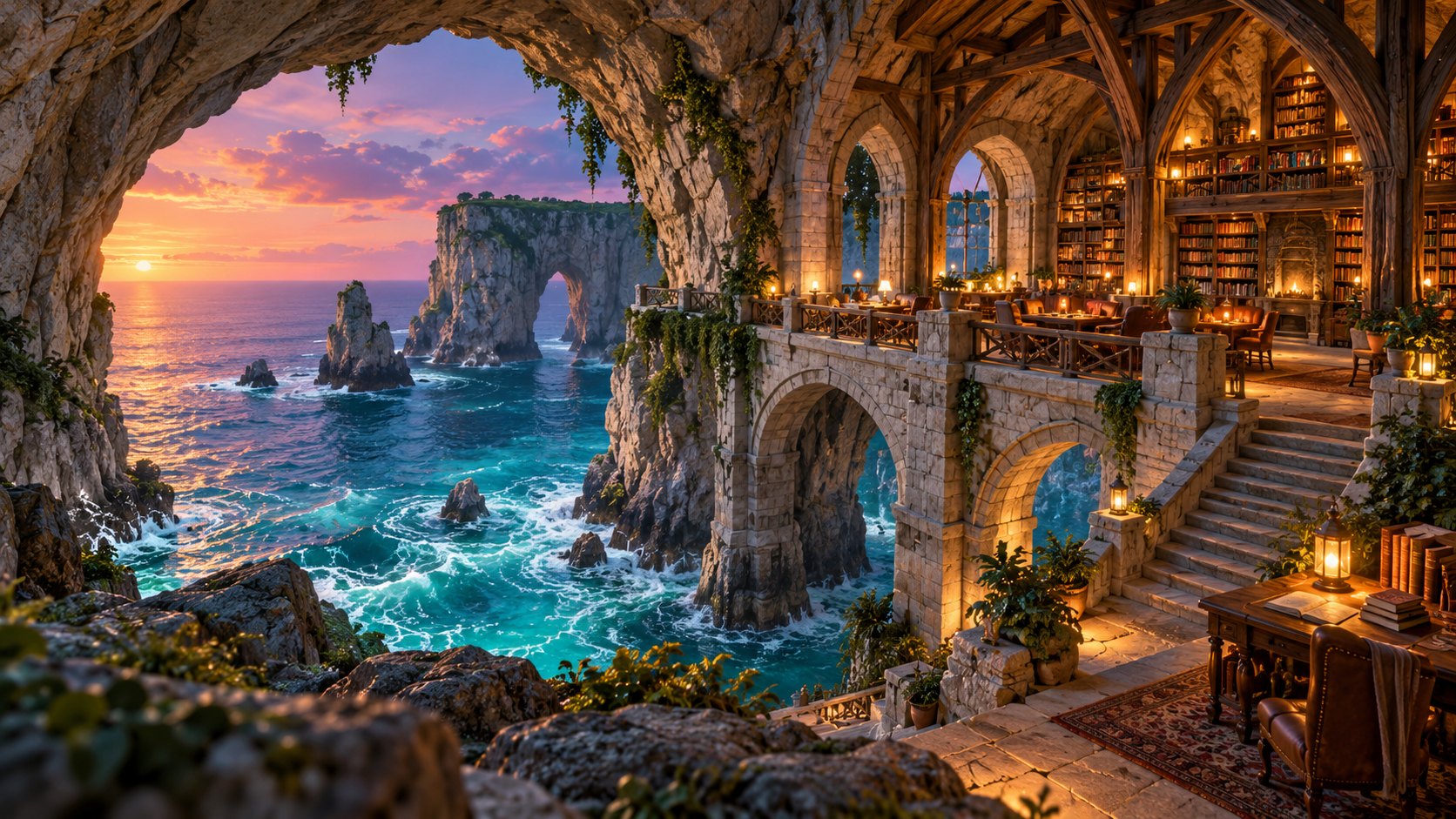
The visual problem
A floating or living building can look like a pile of unrelated objects when scale and gravity are unspecified. If the prompt only lists attractive objects, the model may render each object beautifully but fail to explain their relationship. The image then asks the audience to do extra work. A strong concept has a focal point, a scale relationship and a reason for the chosen camera position.
A practical principle for impossible architecture
Give the viewer one ordinary reference point before introducing the impossible feature: a waterline, door, ladder or shadow. That instruction is more useful than stacking synonyms such as magical, stunning and cinematic. It tells the image system what must remain true when details change.
An example to inspect
In the whale library, the body meets the sea naturally while the windows tell us the structure is inhabitable. Look at the image above as a draft, not a finished rulebook. Trace the path of the eye from the brightest area to the main subject and then toward supporting details. If an interesting detail interrupts that path, reduce its contrast or move it away from the edge of the frame.
Where the idea can fail
Adding more spectacular towers may make the scene harder to read at card size. Another failure is treating every surface and light source alike. Separate the major materials, name the direction of light and reserve one quieter region. A viewer needs contrast in both color and information density.
Compare two directions before adding detail
For impossible architecture, make one version with a wide camera and another that moves closer to the most meaningful action. Keep subject and lighting consistent. The comparison will show whether the design works because of the world or because of a single charming detail. If the close view tells the story better, the wide version may need a stronger silhouette. If the wide view wins, reduce small props rather than adding more. This kind of paired test is more informative than generating many unrelated candidates.
The impossible idea becomes convincing when the waterline, whale proportions and weight of the timber structure agree. The library is the surprise; the sea and moon provide familiar physical cues. Apply that observation to the next draft as one explicit instruction, then review the new frame at the same display size.
A repeatable review
- State the focal point in five words before generating.
- Check whether the setting supports or competes with that focal point.
- Compare outputs at their real display size, not only zoomed in.
- Change one constraint in the next prompt and record the effect.
- Keep the version whose composition remains clear after a crop.
This is a creative method, so the best result depends on the story you want the image to tell. Use the constraints as a foundation and keep room for surprising details that improve the scene rather than fighting its structure.
Try the copy-ready prompt, follow the companion guide, or browse more AI Craft Pad articles.
Frequently asked questions
How many details belong in the first prompt?
Enough to establish subject, setting, camera and light. Add micro-detail after the first composition works.
What if a colorful result is still hard to read?
Reduce competing focal points and check the silhouette at thumbnail size before changing the palette.
Final review for impossible architecture
Review impossible architecture at full size and as a small card. Keep the stairs, windows and supports believable against the shoreline and moonlit sea. Compare the first result with a second version that changes only one camera or lighting choice.
Keep the strongest impossible architecture version, then check perspective, material detail and the crop on a phone. For real-world visual reference, browse the Wikimedia Commons image library and verify the license of any image you reuse.