


How to Write Better AI Image Prompts: Subject, Scene, Light, Lens, and Constraints
A practical framework for writing clearer AI image prompts using subject, scene, light, lens, constraints, iteration, and pre-publish checks.
A practical framework for writing clearer AI image prompts using subject, scene, light, lens, constraints, iteration, and pre-publish checks.

A practical framework for deciding what to automate with AI, what to redesign first, and where human judgment and accountability must remain.

Learn a practical workflow for using AI to summarize a long RFP, produce a bid/no-bid memo, and build a first-draft response outline.

Learn how to turn a sales pipeline report into ranked follow-up actions with AI, so revenue teams know who to contact first, what to say, and why.
Understand the practical difference between a prompt and an AI workflow, when a single prompt is enough, and when a repeatable multi-step process is the better tool.
Learn how to design a useful human review step for AI-assisted workflows by matching the review depth to risk, defining evidence, and making failure visible and reversible.
Quick answer: AI is excellent at organizing source material, comparing consistent fields, summarizing long documents, extracting patterns, and generating…
Ten practical prompting mistakes that reduce AI output quality—from vague goals and missing source material to hidden assumptions, overloaded requests, and no verification step.

A practical framework for choosing an AI tool based on the task, source material, risk, workflow fit, verification needs, integrations, and total friction—not hype.

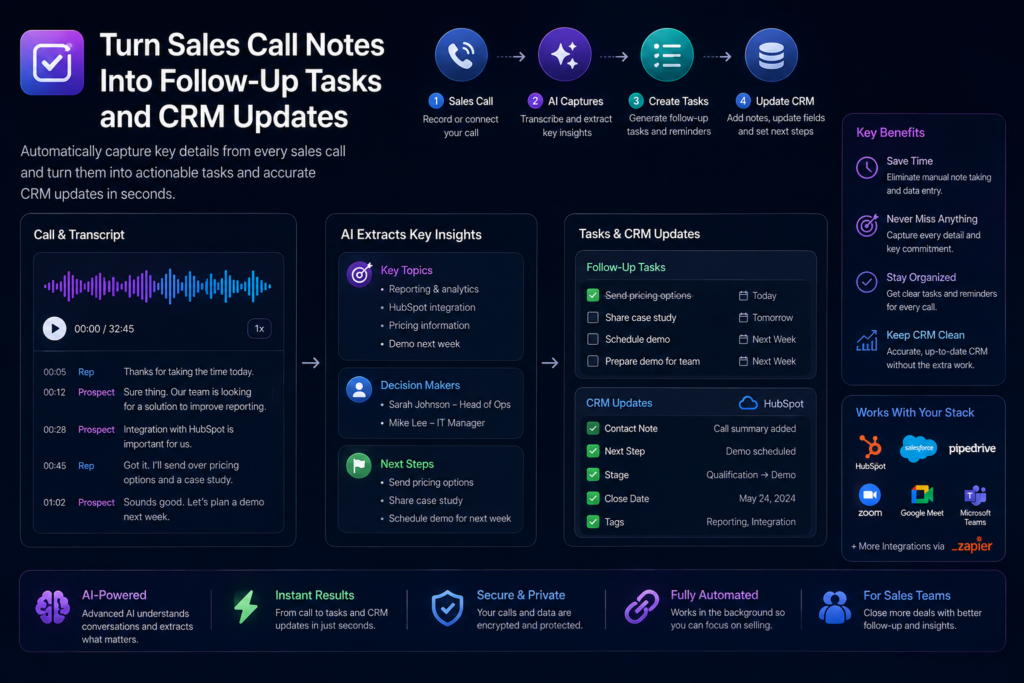
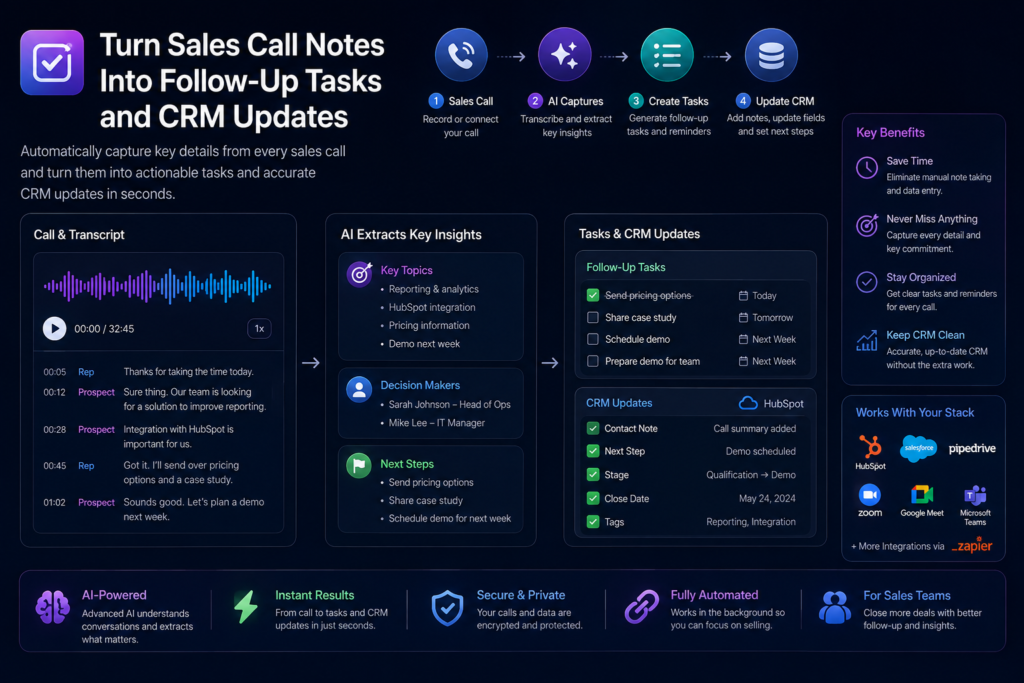
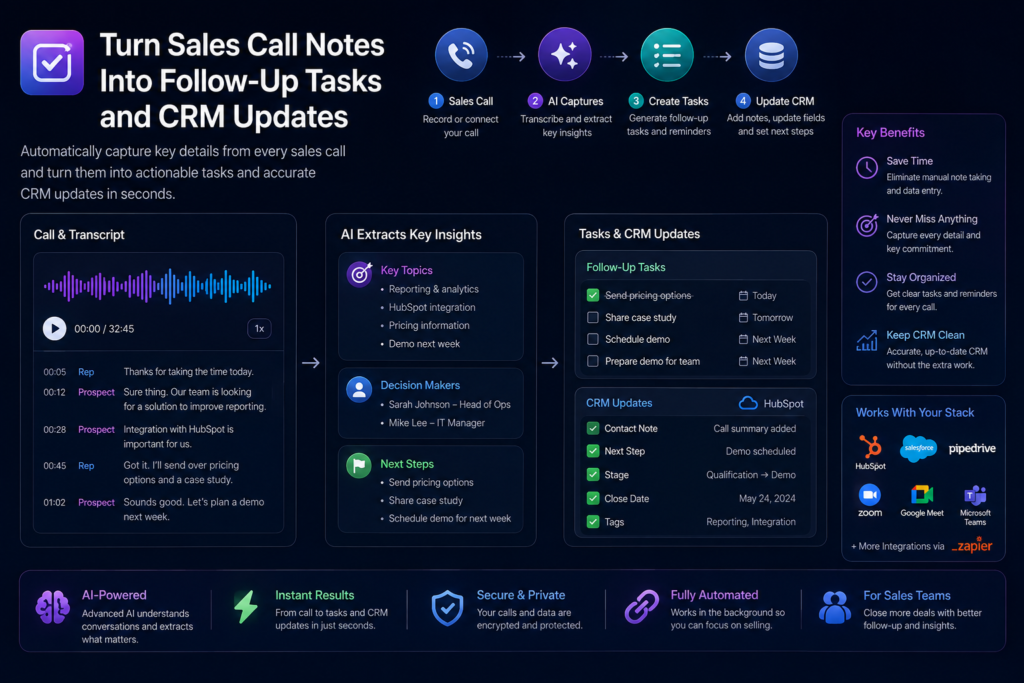
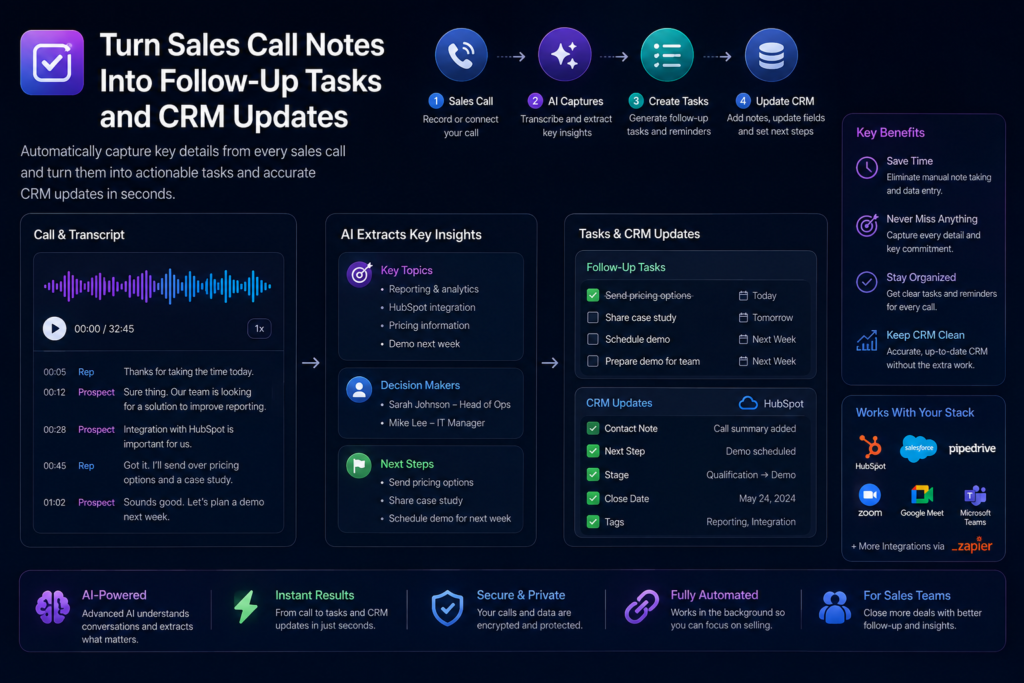
Turn a sales call recording into a clean CRM update, a tailored follow-up email, and a clear deal risk summary without drowning in manual notes.