

A Trail Tale Makes the Appalachian Trail Interactive
A Trail Tale turns an Appalachian Trail journey into an interactive pixel-art journal with game-like controls, original music, and trail details.
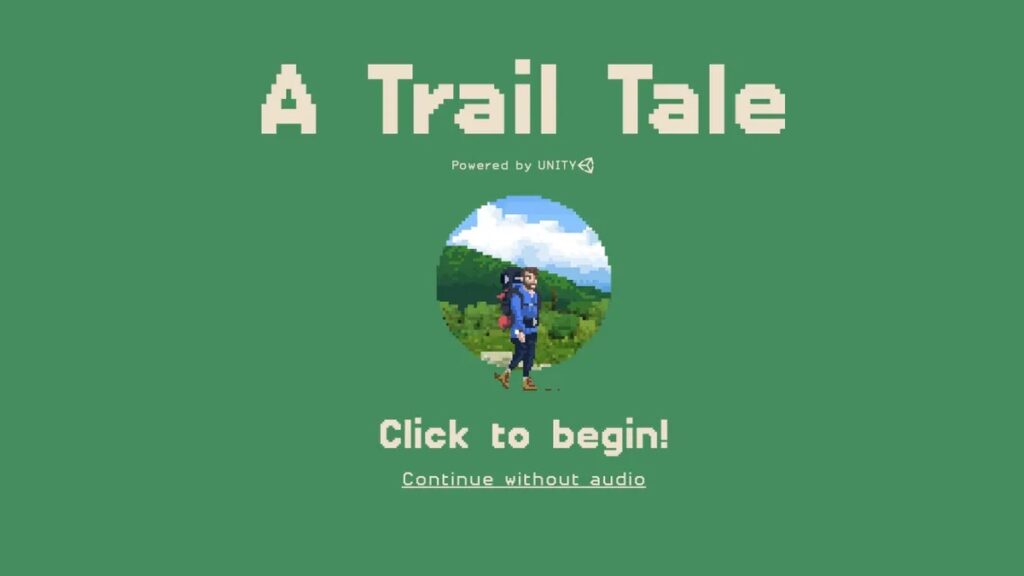
Interactive trail journal projects are usually rare, but A Trail Tale turns that idea into something that feels part game, part nature diary, and part digital escape. The project follows an Appalachian Trail journey through interactive pages built from pixel art, trail notes, and music, giving readers a way to experience the route without lacing up boots.
According to the source material, A Trail Tale is an interactive Appalachian Trail journal created by Andy Moliski with help from his brothers Adam and Alex. The presentation is deliberately retro, with trail sections rendered in pixel art that recalls 1990s Sierra point-and-click adventures. That visual style matters because it frames the whole project as more than a slideshow of scenery. It is designed to feel like a world you click through and explore.
The audio side is part of that experience too. Alex Moliski recorded an original score that blends nature sounds with acoustic guitar, strings, and what appears to be clarinet. The combination adds atmosphere and helps the project feel less like a static reading experience and more like a guided walk through the woods. For readers, that means the journey is not just seen, but also heard.
Interactive Trail Journal Brings The Appalachian Trail To Life
The interactive trail journal structure is what makes the project stand out. Each day on the trail can be clicked through, and those entries include details about landmarks along the route. The interface also borrows from classic game design, including inspiration from Oregon Trail. That influence shows up in the way the project uses icons, meters, and menus to make the journey feel active rather than linear.
Clicking on Andy opens a menu of icons that reveal information about the hike, his mental state, and even bits of poetry. The page also includes symbols tied to fortitude and morale, with factors such as bad weather or especially beautiful scenery affecting those meters. In other words, the project turns the emotional side of hiking into something readable and interactive, not just descriptive.
That approach matters because thru-hiking the Appalachian Trail is about more than distance. It is also about the daily strain, the small victories, and the mental work of moving through changing conditions. By translating those elements into a digital format, A Trail Tale makes the experience legible to people who may never attempt the trail themselves.
Why This Digital Approach Matters
The practical significance of interactive trail journal projects like this is that they create a new way to document a long outdoor journey. Traditional trail journals can be text-heavy and personal. This one adds visual design, sound, and simple interactive controls to deepen the storytelling. That makes it easier for readers to stay engaged and to understand how the trail changes from day to day.
It also gives the Appalachian Trail a different kind of reach. A person who has hiked before may recognize the rhythms immediately, while someone who has never backpacked can still follow the route as a digital experience. The project seems built to invite both groups in, using game-like interaction to keep attention while still staying rooted in real trail details.
For readers, the main takeaway is that this is not a simulation of survival in the style of a harsh retro game. The source material notes that nobody dies of dysentery here. Instead, the project uses familiar adventure-game language to make the journey feel welcoming, reflective, and visually rich.
What To Watch Next
The key thing to watch is whether more trail segments, journal entries, or related material are added over time. Because A Trail Tale is presented as an interactive journal, its appeal depends on how much of the hike is available to explore and how the experience develops as new parts are introduced.
It is also worth watching how audiences respond to this blend of hiking narrative and game-inspired design. The source material suggests the project can absorb readers for hours, which hints at broader potential for digital storytelling around outdoor adventures. For anyone interested in the Appalachian Trail, retro game aesthetics, or creative nonfiction online, interactive trail journal projects like this one show how those worlds can overlap in a memorable way.