

How to Keep AI Fashion Images Physically Plausible
Cloth detail feels premium when the garment could be made and worn.
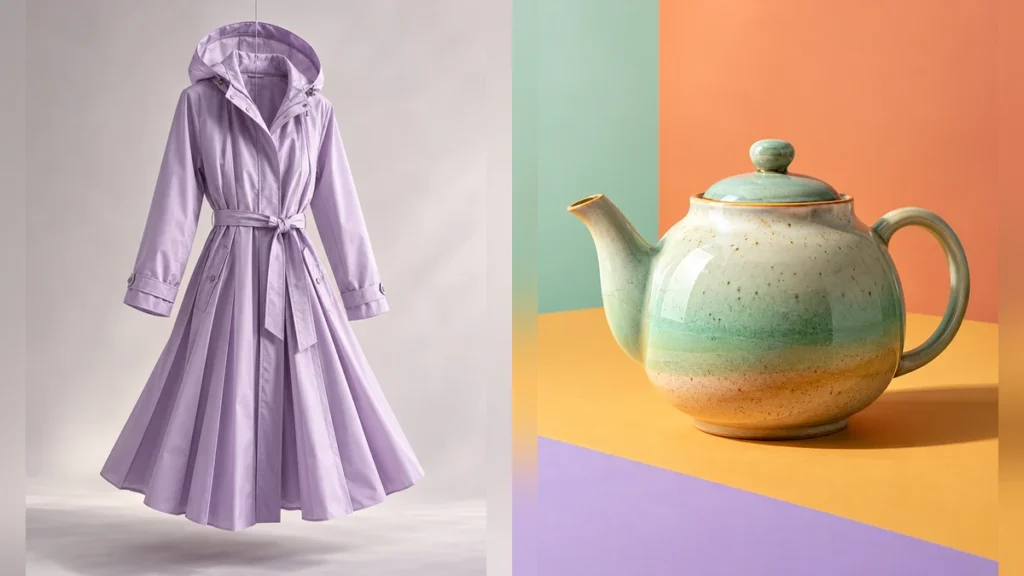
Fashion imagery is especially sensitive to hidden construction errors. Fabric can look luxurious while a sleeve joins the hem, a collar has no opening, or a belt floats away from the garment.
Write the garment specification
Name the garment type, fabric weight, cut, closure, and key seams. A lightweight raincoat should drape and fold differently from a structured wool coat. Decide whether it is worn, laid flat, or suspended. If floating, define the single support point and how gravity affects the hem.
Keep one clear view
Start with a front or three-quarter product view that shows the whole garment. Use a neutral studio background and lighting that reveals silhouette and seams. Add lifestyle scenes only after the product construction is approved. A dramatic pose can conceal a malformed cuff or missing back panel.
Review like a maker
Trace every sleeve to a shoulder, each belt to an attachment, and each hem around the body. Check that fasteners align and both sides of the garment follow the same design. Compare variants for continuity. If the product is conceptual, avoid claims about waterproofing, sustainability, or fit that the image cannot establish.