

How to Build a Cozy Storybook Scene With AI
Follow clear steps for cozy storybook scene, from scene structure and lighting to final image checks.
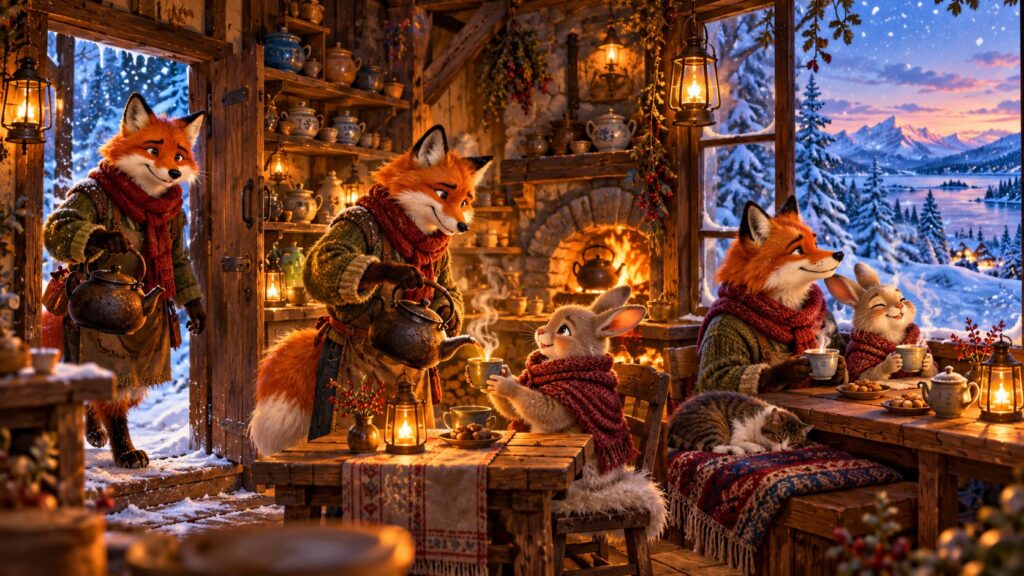
Quick answer: To make a cozy storybook scene, lock the subject, camera, scale and two light sources before requesting ornamental detail. Work from a simple draft toward a polished image and compare each version at the size where people will see it.
What you need
- An image generator that supports descriptive prompts.
- A one-sentence scene idea and an intended aspect ratio.
- A place to save the prompt and candidate images for comparison.
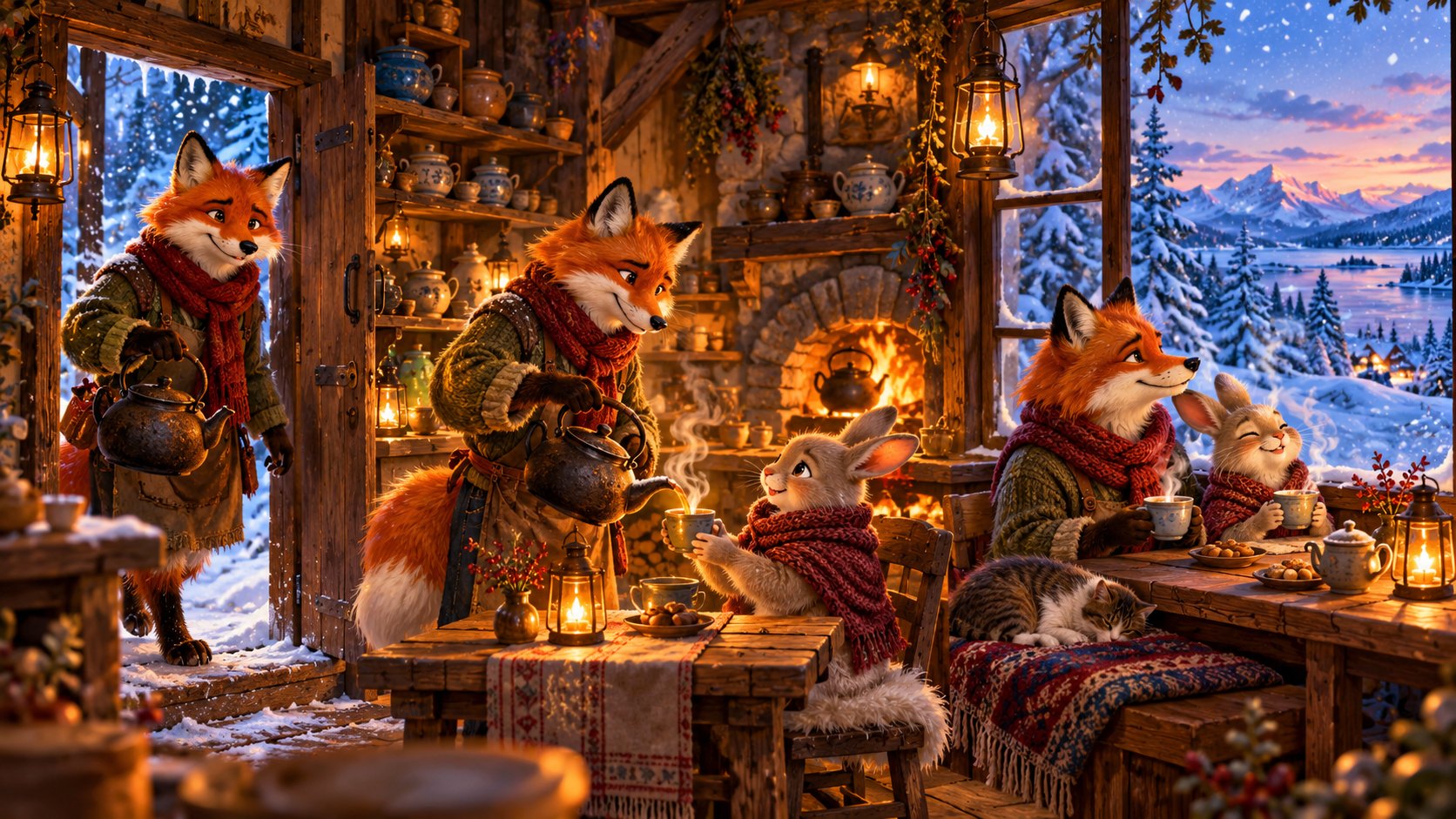
This guide uses the original scene above as an example. You can change the subject, but keep the sequence: structure first, decoration second, verification last. The steps are model-agnostic because interface labels and options differ across products.
1. Choose one character and one quiet verb before designing the room
Write this choice at the top of the brief. If the image introduces a second main idea, remove it before polishing surface details.
2. Set an outside condition that makes the interior inviting
Treat the camera and frame as fixed for the first comparison. A stable frame makes scale errors easier to identify.
3. Place the action in the central third of the image
The supporting objects should explain the world, not steal attention. Inspect their relative size at thumbnail scale.
4. Specify a warm and cool light pair
Light should reveal form and guide the eye. If every area glows equally, reduce one source instead of adding another.
5. Add tactile details only around the action
Save each candidate with the instruction that produced it. Compare composition before judging small decorative details.
6. Check character anatomy, cup scale and eye direction in the final render
Mark the specific flaw you would fix next. A controlled revision is easier to evaluate than a complete rewrite.
A starter instruction to adapt
Create a landscape 16:9 illustration of a friendly red fox in a knitted scarf serving tea to woodland animals in a tiny tea shop carved into a snow-covered tree at indigo twilight. Compose it as a welcoming view through the open door with the fox and tea tray clearly visible. Use warm amber interior contrasted with cool blue snow outside. Preserve believable perspective and scale. Add steam curls, knitted texture, snow on bark, cups sized for the characters and window glow. Avoid human hands, extra tails, crowded animal faces, text on menus or a second competing light source. No words, logos or watermark.
Final quality check
- The central idea reads at a glance.
- Near, middle and far elements have distinct scale.
- All shadows and reflections follow the intended light.
- Edges stay useful after cropping to a card or mobile view.
- You saved the exact prompt used for the chosen result.
If the first result misses the idea
For cozy storybook scene, diagnose the failure before adding more adjectives. If scale is wrong, specify a reference object. If the main subject is hidden, change the camera or simplify the background. If the light feels artificial, remove a competing glow. If the image contains distorted lettering, request no lettering and add typography later. The original scene depends on steam curls, knitted texture, snow on bark, cups sized for the characters and window glow; prioritize those details only after the overall composition works.
A cozy scene needs a small action, not just warm colors. The gesture of serving tea gives the viewer a story to enter.
If the image fails one of these checks, revise only the failing constraint. Rewriting the entire prompt makes it harder to learn which change helped. Save the strongest candidate and record the final settings beside it.
Use the ready-to-copy prompt for a quicker start, read the companion article for the design reasoning, or explore more AI Craft Pad guides.
Final review for cozy storybook scene
Review cozy storybook scene at full size and as a small card. Make the tea-serving gesture legible and contrast the warm interior with the quiet snowy exterior. Compare the first result with a second version that changes only one camera or lighting choice.
Keep the strongest cozy storybook scene version, then check perspective, material detail and the crop on a phone. For real-world visual reference, browse the Wikimedia Commons image library and verify the license of any image you reuse.