

Cartoon Christmas Character Prompts for Original Holiday Art
Cartoon Christmas character prompts for original mascots, pet avatars, printable activities and animated greetings, with five ready-to-adapt ideas.
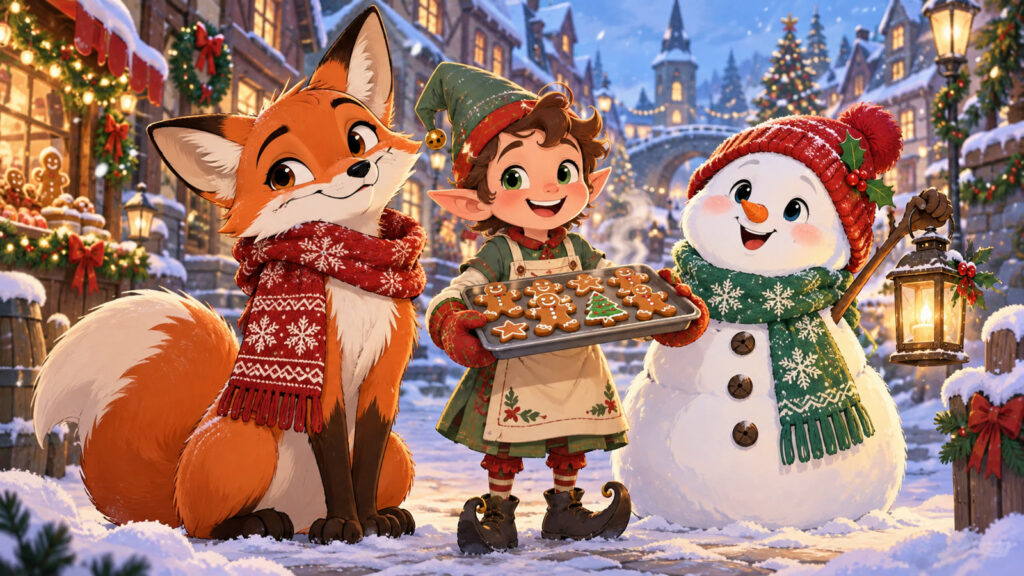
Cartoon Christmas character prompts can turn a broad idea into a useful visual brief when the audience, output size, and success criteria are explicit. The most appealing character is recognizable by silhouette and behavior, not by resemblance to a famous franchise. These examples cover a family greeting, a shop campaign, a playful avatar, a children’s activity, and a short animation concept.
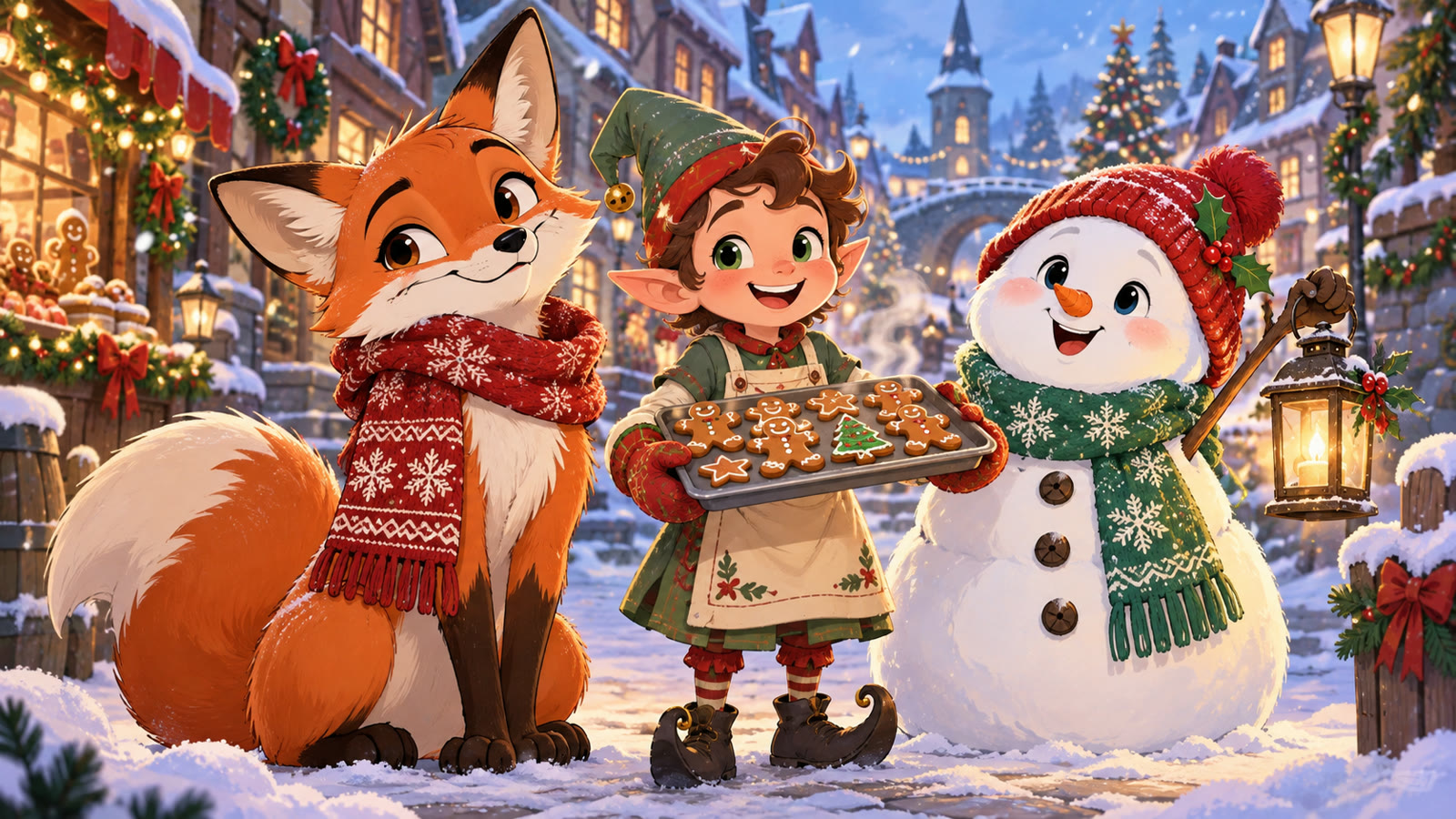
Build a clear cartoon holiday character brief
Write a one-sentence role for the character before naming visual style. Is it a helpful village baker, a curious woodland visitor, or a gentle snow guardian? Define age range, expression, outfit layers, props, and a small action. Ask for coherent hands and a clean silhouette. A character sheet should keep the same colors and features in front, side, and three-quarter views.
Before generating, decide where the result will appear. Specify the aspect ratio, how much space should remain for edited text, the intended audience, and any brand or personal details that must stay consistent. Keep typography outside the generated image when exact spelling matters. Save the source prompt and compare several outputs at the final viewing size.
Five Cartoon Christmas character prompts to adapt
1. Woodland greeting mascot
Design an original cheerful red fox carrying a wrapped parcel through a snowy village on Christmas Eve. The fox wears a teal knitted scarf and small boots; its expression is generous and curious. Clean 2D cartoon design, clear tail silhouette, warm window light, pine garlands, no familiar franchise styling. Horizontal card layout with empty sky for a greeting to add later.
2. Bakery shop helper
Create a friendly original Christmas bakery mascot: a small flour-dusted winter sprite presenting a tray of gingerbread stars outside a neighborhood bakery. Warm cream and cranberry palette, rounded graphic shapes, readable apron and oven mitts, festive shop window without lettering. Deliver a square social image and a simple transparent-background character pose; keep props and colors consistent.
3. Playful profile avatar
Illustrate an original snow person who loves astronomy, holding a tiny brass telescope beneath falling snow. Give it an oversized scarf, button details, expressive eyes, and one distinctive star pin. Tight square portrait with strong silhouette at small avatar size, crisp cartoon shading, navy and amber palette, no words, no trademarked character cues.
4. Printable activity sheet
Draw a black-and-white Christmas coloring page featuring an original reindeer mail carrier delivering postcards to three varied village houses. Bold closed outlines, large colorable areas, simple faces, sensible anatomy, minimal background clutter. Portrait letter-size composition with broad print margins. No lettering, numbers, shading gradients, or copyrighted characters.
5. Six-second animated greeting
Storyboard a six-second family-friendly Christmas animation with an original snow person placing a star on a small outdoor tree. Begin with a wide village shot, move to a medium shot of the star, then hold on the glowing tree. Stable face, scarf, and buttons across frames; gentle snow movement; no abrupt cuts or generated text. Leave final-frame space for a greeting in editing.
How to refine Cartoon Christmas character prompts
For a character series, lock the costume, dominant colors, proportion, and expression range in a compact reference sheet. Ask for one pose per generation and compare the face and hands across outputs. For a shop mascot, test whether it remains recognizable at thumbnail size and whether the character supports the actual product rather than distracting from it.
For a second pass, change one variable at a time: lighting, camera angle, color range, character gesture, or layout. This makes comparisons meaningful. If the image will support an offer, add the real copy and logo in a layout editor after the visual is approved. Never let a model invent product claims, prices, dates, or customer testimonials.
Quality and publishing checklist
Check that props are physically plausible and that winter details are unmistakable: snow, warm lights, evergreens, parcels, or baking. A plain formal outfit can read as a generic party rather than Christmas. For print, preview line thickness and margins; for animation, inspect frame-to-frame continuity. Ensure the final character is original enough to use without implying a link to an established brand.
Inspect the output at the dimensions used on the final page or device. Look for inconsistent anatomy, repeated objects, broken perspective, unreadable small details, and a focal point hidden by the crop. Write descriptive alt text for informative web images; the W3C image tutorial offers a useful decision guide. Explore the prompt catalog and more practical articles for related workflows.
Frequently asked questions
Can I make a series with the same character?
Yes. Keep a reference sheet and repeat the exact design constraints in every prompt. Review each output because consistency can drift between generations.
Should I ask the image model to draw greeting text?
Add final wording separately in a design editor. It gives you control over spelling, localization, and placement.