

Nature Photography Prompts With Seasonal Consistency
Nature photography prompts for original nature photograph projects. Five adaptable examples with production checks and practical next steps.
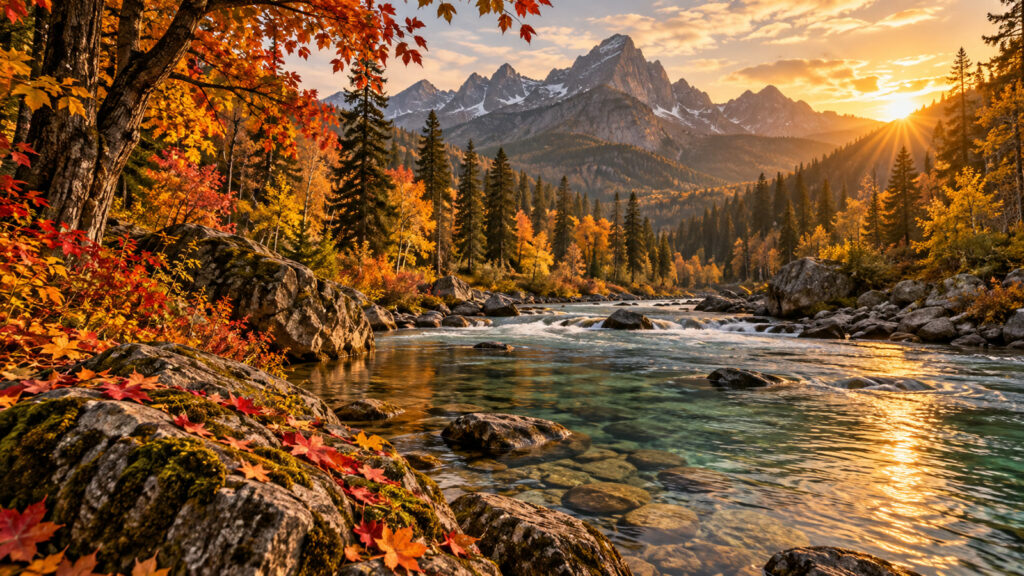
Nature photography prompts can turn a broad idea into a useful visual brief when the audience, output size, and success criteria are explicit. Nature images feel convincing when light, weather, plants and terrain belong to the same place and season. These examples cover a forest, river, coast, mountain meadow and winter wetland in editorial, personal and commercial formats.
Build a clear nature photograph brief
Define the location type and season before choosing camera language. State time of day, weather, dominant plants, terrain, vantage point and expected human presence. Ask for natural scale and believable water and shadows. If a scene represents a real destination, use an authentic reference and avoid presenting a generated place as a documentary photograph.
Before generating, decide where the result will appear. Specify the aspect ratio, how much space should remain for edited text, the intended audience, and any brand or personal details that must stay consistent. Keep typography outside the generated image when exact spelling matters. Save the source prompt and compare several outputs at the final viewing size.
Five Nature photography prompts to adapt
1. Autumn river editorial
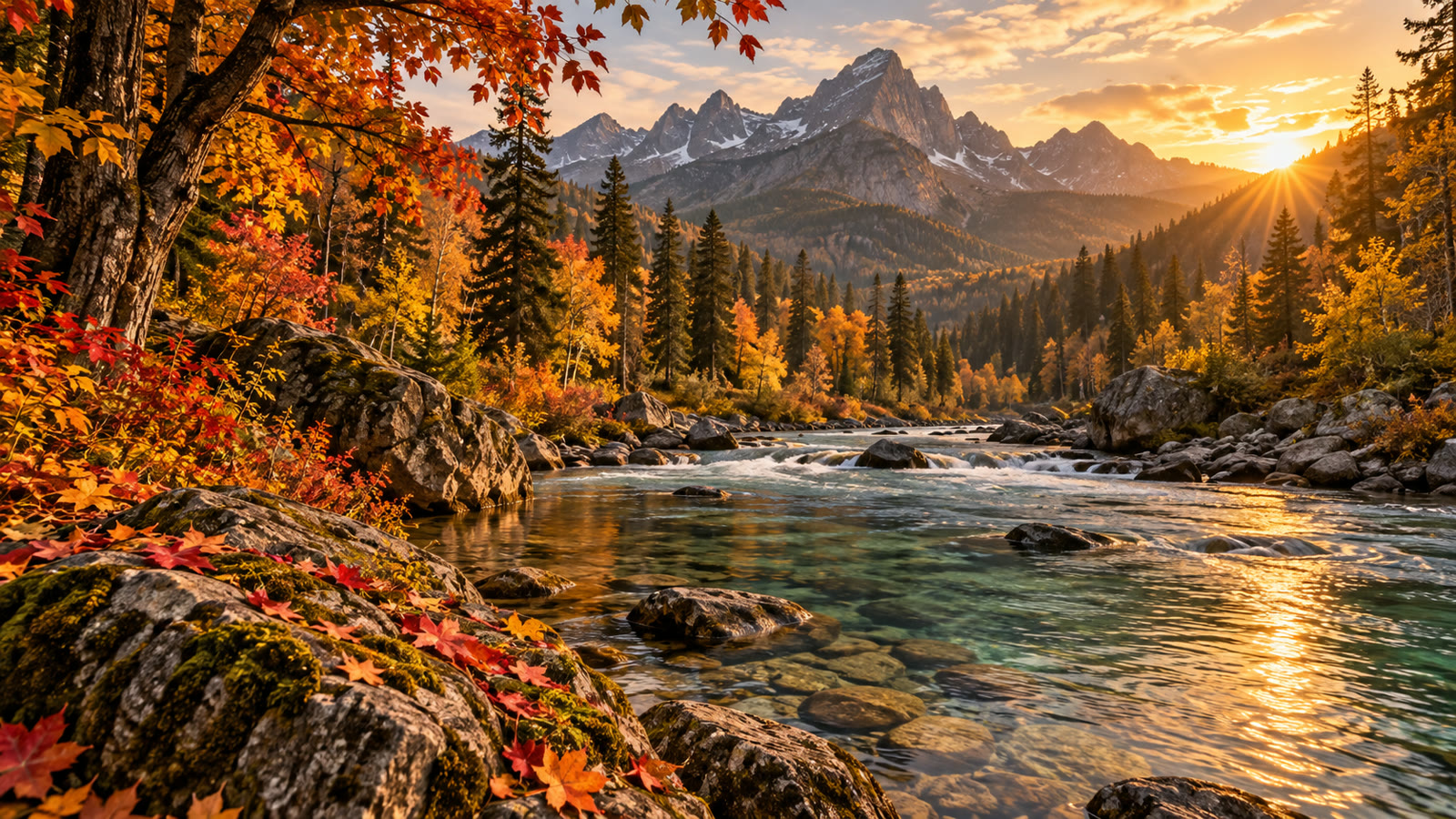
Create a photorealistic editorial nature image of a temperate autumn forest and clear river at golden hour. Show believable deciduous trees, scattered leaves, reflections consistent with low sun and layered depth from foreground stones to distant bank. Wide 16:9 composition, crisp details, no human structures or impossible saturated colors. Label it as generated if used outside illustration context.
2. Coastal dawn travel mood
Photograph a quiet rocky coastline just before sunrise with low clouds, wet stone, sea spray and a natural horizon. Cool blue ambient light with a narrow warm line at the horizon. Portrait crop for a travel story, one clear focal rock form and realistic water movement. No invented landmark, people, signage or resort buildings.
3. Mountain meadow guide cover
Create a summer mountain meadow in late afternoon with regionally coherent grasses, wildflowers, tree line and distant ridge. A narrow walking path leads into the frame without appearing to cross protected terrain. Editorial wide cover, restrained color and atmospheric depth, no oversized flowers or fantasy peaks. Leave modest sky space for an editable title.
4. Winter wetland study
Generate a calm winter wetland scene with reeds, thin ice near the shore, unfrozen moving water and soft overcast light. Natural subdued palette, accurate seasonal textures, low camera viewpoint and readable layers. Square educational illustration with no animals that would require species verification and no text within the image.
5. Woodland product backdrop
Create a nature-inspired commercial background for an outdoor gear product: a realistic mossy woodland floor under filtered morning light, with a clear dry platform for a real product composite. Keep foliage scale plausible and the background softly separated. Wide banner crop and empty right side for editable copy. Do not fabricate a specific destination.
How to refine Nature photography prompts
Compare the output with a real reference for the ecosystem, season and weather. Check plant consistency, sun direction, reflection and water flow. If a location matters, use real photography of that place; AI is more appropriate for conceptual or illustrative scenes that are clearly described as such.
For a second pass, change one variable at a time: lighting, camera angle, color range, character gesture, or layout. This makes comparisons meaningful. If the image will support an offer, add the real copy and logo in a layout editor after the visual is approved. Never let a model invent product claims, prices, dates, or customer testimonials.
Quality and publishing checklist
Inspect at full size for repeated leaves, malformed branches, plastic water and unnatural horizon lines. Review crops for card and hero use. When publishing a generated landscape, avoid captions that assert it is a real named place unless verified. Use alt text that describes the scene rather than claiming documentary origin.
Inspect the output at the dimensions used on the final page or device. Look for inconsistent anatomy, repeated objects, broken perspective, unreadable small details, and a focal point hidden by the crop. Write descriptive alt text for informative web images; the W3C image tutorial offers a useful decision guide. Explore the prompt catalog and more practical articles for related workflows.
Frequently asked questions
Can I call a generated landscape a photo of a real park?
Only if it truly depicts that park with verified source imagery; otherwise describe it as an illustration or generated scene.
Why specify season and plant type?
Those constraints prevent visual contradictions and make the result more credible.